
At just 21 years old, Sean Webster has emerged as a dynamic force on the creative scene. His street art and exhibitions in major cities such as London, New York, Manchester, and Liverpool have garnered international acclaim, drawing the attention of collectors like Robbie Williams, Sean Lennon, and Brian Ray.
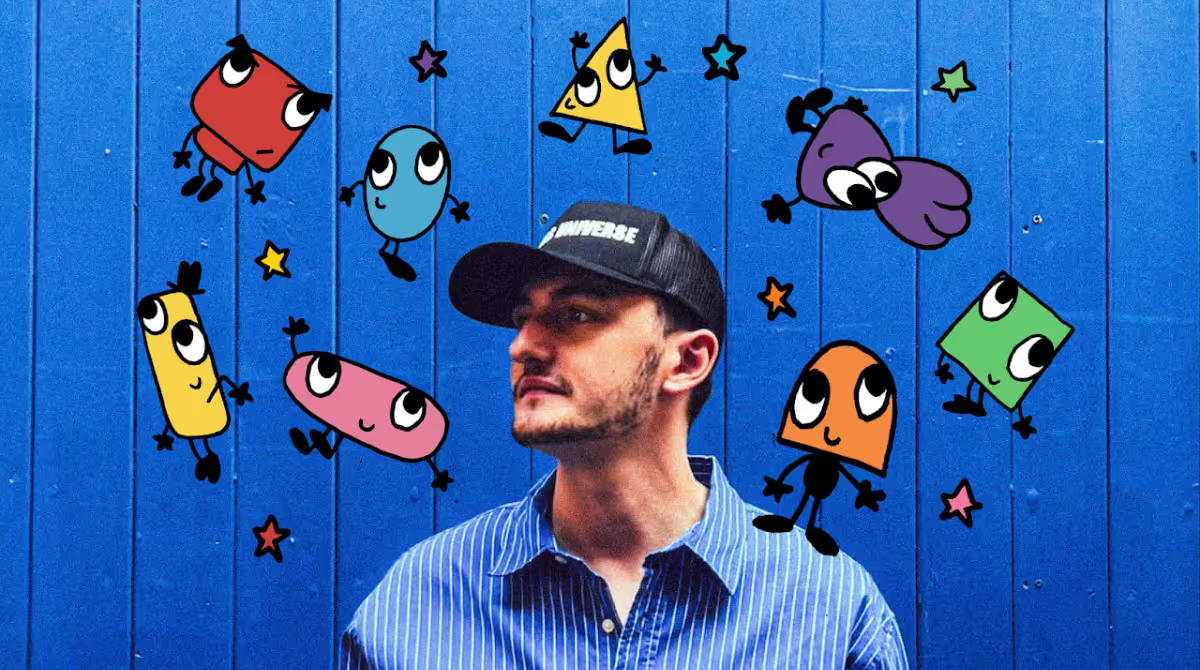
Webster's distinct mural at Strawberry Field garden and his significant contribution to UFC Star Meatball Molly's book on self-acceptance highlight his diverse artistic capabilities. In the web3 world, his creation of The Pals Universe — a brand centered around colorful characters and emotional well-being — showcases his unique passion for loveable cartoons and intellectual property franchises with a deeper message.
For Webster, artist life and entrepreneurship are inextricably linked. Inspired by iconic brands like The Walt Disney Company and Peppa Pig, his Pals Universe venture started with his own portfolio of over 8,000 hand-drawn Pals. Eventually, those colorful drawings became a sold-out collection of digital collectibles in December 2022. Today, Webster's ambition is clear: to redefine children's entertainment in a way that echoes the impact of iconic brands like Mr. Men, The Smurfs, and more.
OpenSea recently had an insightful conversation with Webster, who spoke about his transition from artist to CEO, and how digital art can teach kids about their emotions.
OpenSea: Sean, you've been building the Pals Universe brand and drawing inspiration from famous kids’ entertainment IPs. What's driving this inspiration?
Sean Webster: I'm fascinated by how brands like Pokémon and Peppa Pig started from a small idea and went global. These stories, along with creators like the graffiti pop artist Keith Haring and, of course, Walt Disney, inspire me as I develop my brand.
OpenSea: You seem to embody the artist-as-entrepreneur model. Do you see a growing trend where creatives are moving into the role of CEO and building their portfolios into legacy brands?
Sean Webster: Absolutely. I always felt I was more than an artist, and the web3 space helped me embrace that. Balancing creativity with business acumen is crucial for brand building. Many artists might not lean into this, but I find it essential and rewarding.
OpenSea: Was entrepreneurship always a part of your journey?
Sean Webster: Yes, I’m 21 now but when I was around 14 or 15, I remember having just £30 in my pocket. I decided to use that money to set up a market stall and sell my drawings. Looking back, I realize those drawings weren't great, but the process of selling them and interacting with people was crucial. It was really about building those early skills. That experience made it natural for me to move into the world of IP and licensing. It's something that's always been a part of me.
I recall a moment in college when my tutor criticized my drawings as “too childish.” That led me to drop out and rent a studio in Liverpool, my hometown, to continue selling my work. I learned how important it is to put yourself out there and embrace the entrepreneurial spirit.
OpenSea: I admire your resilience. From what I understand, your colorful characters started as doodles, but now they have a deeper meaning. Tell us about it.
Sean Webster: The Pals Universe has two species, Pals and Foes, representing good and bad emotions. It's about teaching kids it's okay to feel and manage different emotions. My goal with this brand is to teach children about well-being and to understand that it's okay to have ups and downs. It's about managing these emotions, a concept deeply embedded in these characters. I want to connect with children globally, giving these characters a meaningful role in their lives.
OpenSea: What was your relationship to mental health growing up? Was it something you felt like you were able to discuss in the environments where you were raised?
Sean Webster: I come from a family of six, with a brother, two sisters, and my parents. We were a really close-knit family, sharing a lot of positive experiences. However, as you start facing the world on your own, you encounter different emotions and challenges. Topics like well-being and mental health just weren't talked about much. It seems to be a subject often avoided in children's environments. So a lot of what I learned about emotions, I had to figure out on my own. That's why I'm so passionate about using these characters to help kids understand and navigate their emotions from an early age. I’m excited to address it, even in a small but meaningful way, with my work.
OpenSea: You've mentioned your desire to engage with a young audience. What are your thoughts on how children will interact with digital art in the future? Are you inclined towards creating traditional physical picture books, or are you more focused on digital mediums like cartoons and animation?
Sean Webster: I'm eager to showcase these characters across a broad spectrum of mediums. Animation, toys, trading cards, books, apps, the list of possibilities is endless. With emerging technologies like AR and AI, I'm looking to integrate these characters into everyday items, blending traditional and digital realms innovatively. My goal is to make these characters accessible in as many forms as possible, exploring new avenues that haven't been pursued before.
OpenSea: Any upcoming plans or collaborations you can discuss?
Sean Webster: While nothing concrete, I can share that I am working on this with some awesome people in the licensing and branding industry. I'm living fully in this project, working on it full-time. I've always communicated to the Pals community that building this into a lasting venture is my lifelong goal. I'm dedicated to seeing it through until it aligns with my vision.
Additionally, I was in New York recently for several meetings related to the project. I’m planning on keeping some plans under wraps until they're more concrete.
OpenSea: What advice do you have for artists transitioning into a CEO role?
Sean Webster: The first thing I'd say is that you're going to feel a lot of imposter syndrome. That was the first thing I felt, and it's still something that comes to mind immediately. It's a given, really. My advice is to embrace it and be proactive. I've found many opportunities by simply cold messaging people or asking for a quick call. Learning on the job is often the only way, especially if you're new to it. Don't be afraid to take risks and put yourself out there. Three months ago, I invested everything into building the brand on my own. It was tough, and I found myself in uncomfortable positions, but I thought, “This is my last shot. I have to do this.” It's paid off, and now I'm working on this full-time with an amazing group of people. When things get tough, I remind myself that it's a sign of progress.
And remember, being an artist doesn't limit you to just that. You can be an entrepreneur, a visionary, a person who attends the meetings. Why not embrace all these roles? Everything has a creative aspect to it. I'm excited to see what's out there and what others are doing. It's a thrilling time to be a creative.
OpenSea: What a good note to end on. Thank you so much for your time.
Sean Webster: Thank you very much. Have a good day.



.avif)
.png)
.png)
.png)
.png)
.png)