.png)

Few artists have shaped the conversation around generative art like Tyler Hobbs. His work explores how algorithms can reflect the imperfections of nature and emotion, turning code into a medium that connects the digital and physical worlds.
This interview took place at the Hotel Saint George Hall during Marfa Art Blocks Weekend, where Tyler Hobbs shared reflections on generative art’s evolving place in culture, the balance between machine and human aesthetics, and the enduring magic of making art in Marfa.
Note: This interview has been edited for length and clarity.
OpenSea: You've spent your career exploring what happens when creativity and code meet each other. Stepping back, what do you think generative art reveals about how we create and find meaning in art right now?
Tyler Hobbs: Generative art reveals that sometimes the most wonderful or surprising things in art happen in an unplanned way. It helps the artist give up control and allow things to happen. Generative art is about planning to do things in an unplanned way, and that's part of its magic. Another important aspect is working with code. Code is the modern building block of the world around us. It's important for artists to work with the materials of the day, and code is certainly that. Being hands-on with code is important for making work that's relevant and speaks to our lives right now.
OpenSea: You've described your art as a balance between the precision of machines and the warmth of human imperfection. What drew you to that tension, and where do you draw the line between control and surrender?
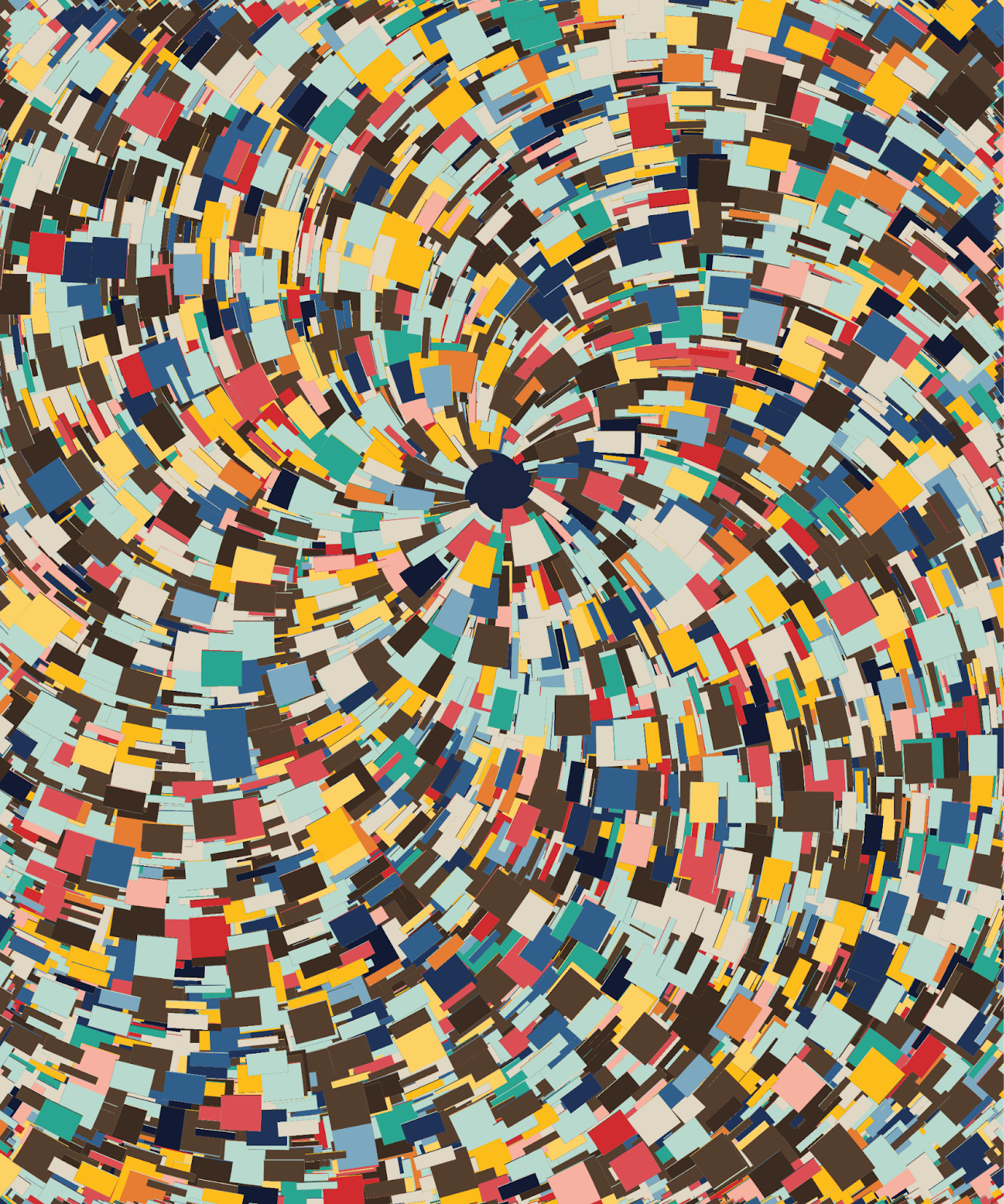
Tyler Hobbs: I like to have a balance in my work between the cold, sharp, precise aesthetics of the computer and the warm, analog, sometimes painterly or messy, organic feeling. I'm interested in the contrast between how things happen in computers and how they happen naturally in the physical world. In my art, I often juxtapose those two things to draw attention to their differences. Combining them creates a unique, novel space. You get ultra-precision from the computer mixed with the messy, imperfect qualities of the analog world. It's interesting to bring that variety into digital aesthetics, where those things don't naturally exist. Blending the two often leads to surprising and satisfying results.
OpenSea: Each of your projects explores a new way of collaborating, whether that's with collectors, with code, or with physical media. What's driving that evolution for you right now?
Tyler Hobbs: I often end up collaborating with others because I'm always trying something different. Working with someone else is a good way to push yourself into a new space, whether they're a source of ideas or expertise in a new field. A lot of what motivates me is taking the ideas of generative art and finding ways to apply them to new fields. Collaborating helps unlock new ways to use generative art, which is exciting to me.
OpenSea: Even though your work originates in code, much of it becomes physical. Whether that's through paint plotters or large-scale installations, what do you feel the physical element brings to generative art?
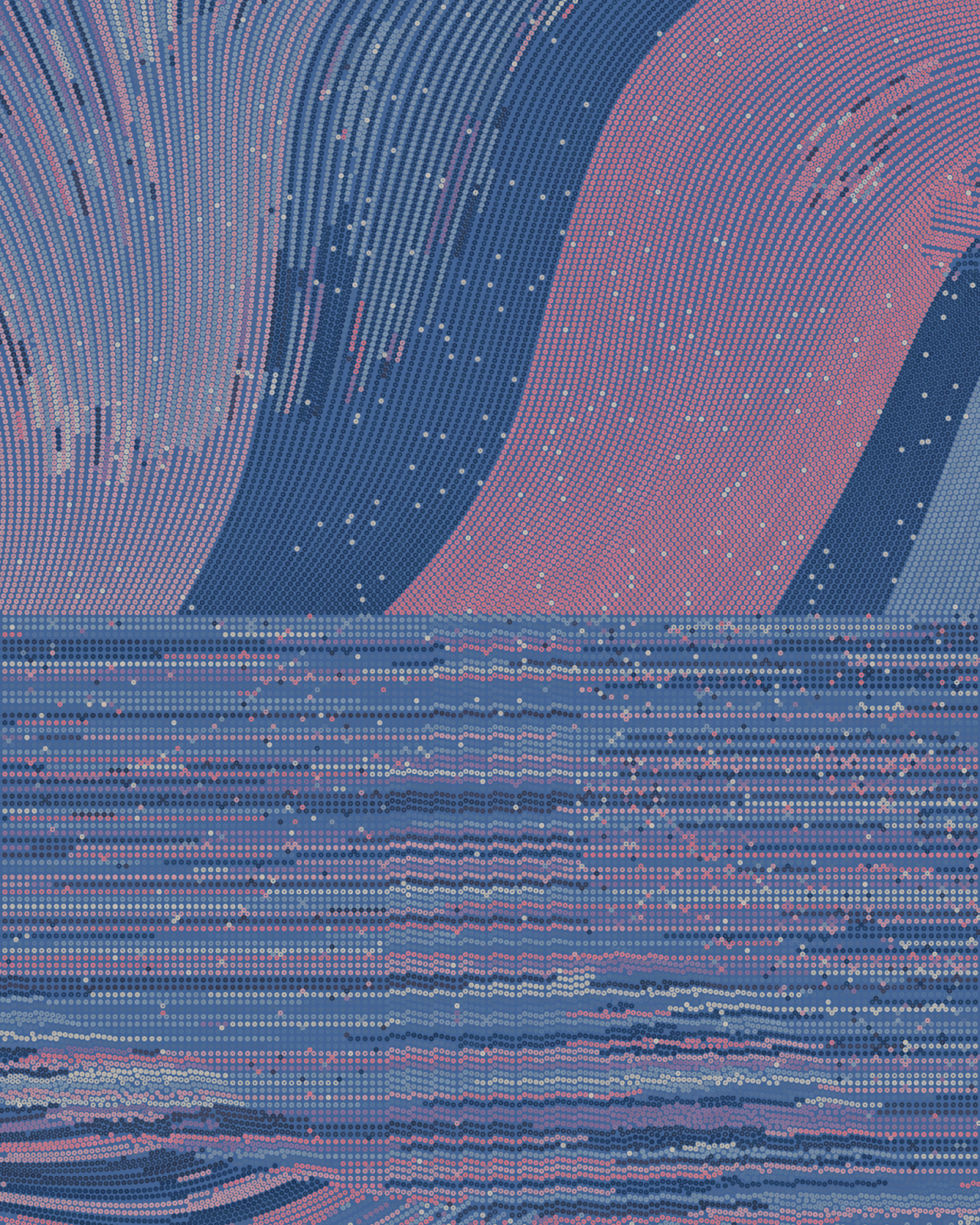
Tyler Hobbs: I often end up with a physical result for my art, even though it's digital at heart. I appreciate a physical output format because a finely tuned physical object has a richness that's hard to achieve with just a screen. The closer you look at it, the more details there are to appreciate. You can move around and see the work from different perspectives. There's a sense of scale and the way it relates to your body, which doesn't really happen in digital art. Physical formats bring richness that's hard to achieve digitally, but they're also restrictive. There are things you can do digitally that you can't do physically. There's value in using both worlds, and some of my work ends up physical while some stays digital, depending on what I want to accomplish.
OpenSea: That's so interesting, especially in relation to the size of the human body.
Tyler Hobbs: It's actually kind of frustrating as a physical artist. You can make a small drawing or a large painting, and people interpret those works differently because of the scale. But when you put something out digitally, there's no sense of scale. All digital works look the same size, so it's tricky losing that sense of scale digitally. Working in the physical world gives you that tool as an artist.
OpenSea: We flatten digital art to the size of whatever screen we're looking at, whether it's a phone, an iPad, or a computer. The scale is up to us.
Tyler Hobbs: Right.
OpenSea: As an artist, scale is something you can use to change someone's relationship with the art. Generative art exists in a quickly evolving digital landscape. New tools, new blockchains, new audiences. How do you think about permanence in an art form that has technology that's changing so quickly?
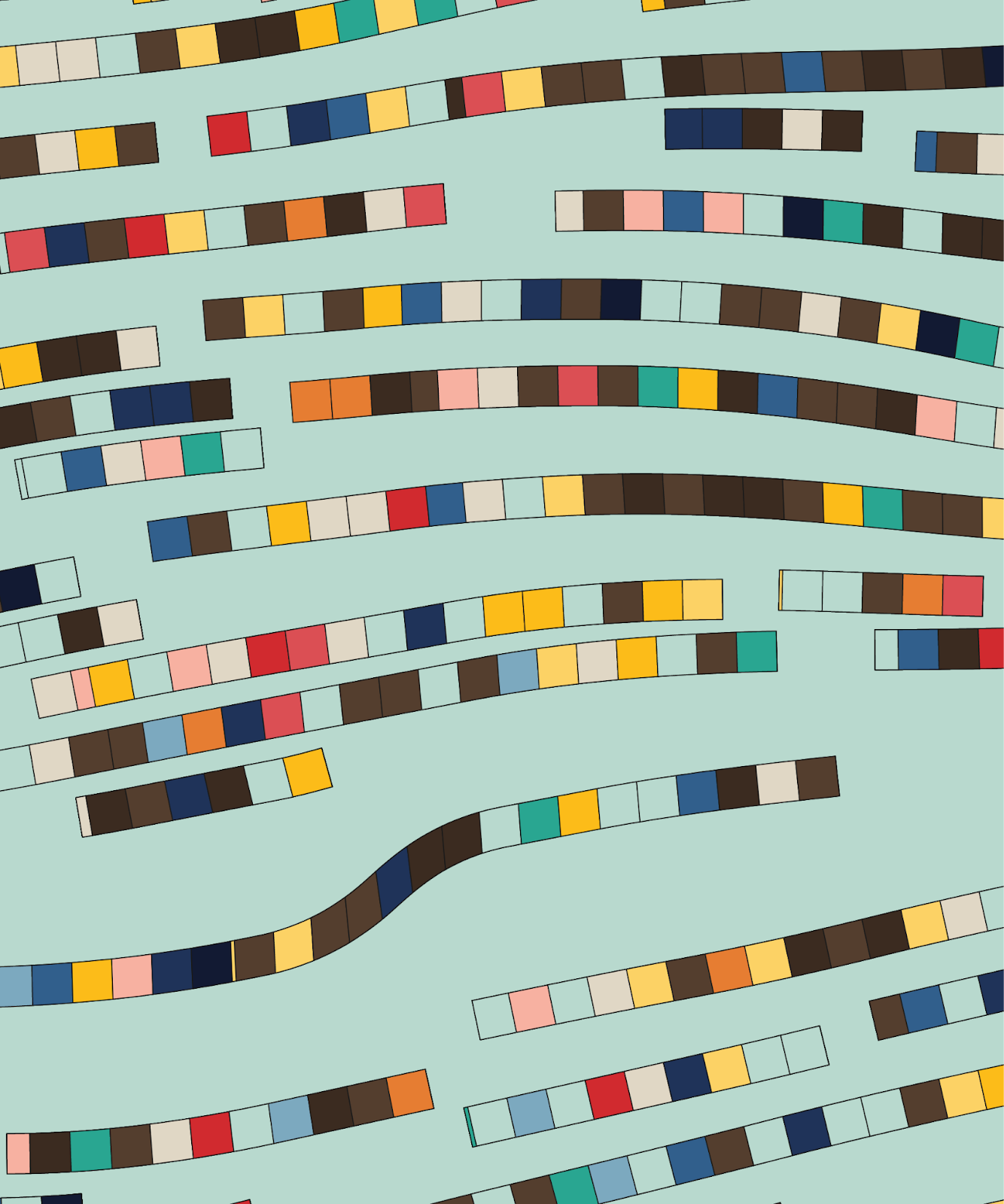
Tyler Hobbs: The question of permanence for digital art, especially generative art, is tricky. Sometimes you go to museums showing digital art from the eighties, nineties, or early two thousands, and it's a real challenge to maintain and show that work because the hardware, software, and knowledge of how to run these things can be lost if not carefully conserved. Digital art may seem easy to conserve, but it can actually be one of the trickiest forms to keep alive. Putting as much as possible on the blockchain is a great step toward ensuring the work is conserved. Getting the code into the hands of people who can take care of it and documenting everything about your environment helps, but it will always be an ongoing challenge. It's important for artists and institutions to be aware of this.
OpenSea: I went with Erick [Calderon] and SquiggleDAO to LACMA to see the Squiggles. They're showing them in a wing of digital art on screens. It's interesting to think about how we'll show those 10, 15, or 20 years from now. Will we still have them displayed on screens, or will it be somehow through code? What will that even look like?
Tyler Hobbs: What do screens look like 30 years from now? What's the resolution? Are we talking about virtual reality or augmented reality? Will people say squiggles came out in an era of 4K flat screens with a 16:9 aspect ratio, so that's how we'll show them? It's hard to know. Media artists of the past were often very particular about the physical format of their work. You go to museums and see a lot of video art using very particular CRT screens with a square format. That's exactly what the artist wanted for the work, and the physical format is part of the work. It's important for digital artists to think carefully about how their work is shown, because even if the answers seem obvious now, they won't necessarily be obvious in 20, 30, or 100 years. It's important to think about and write about.
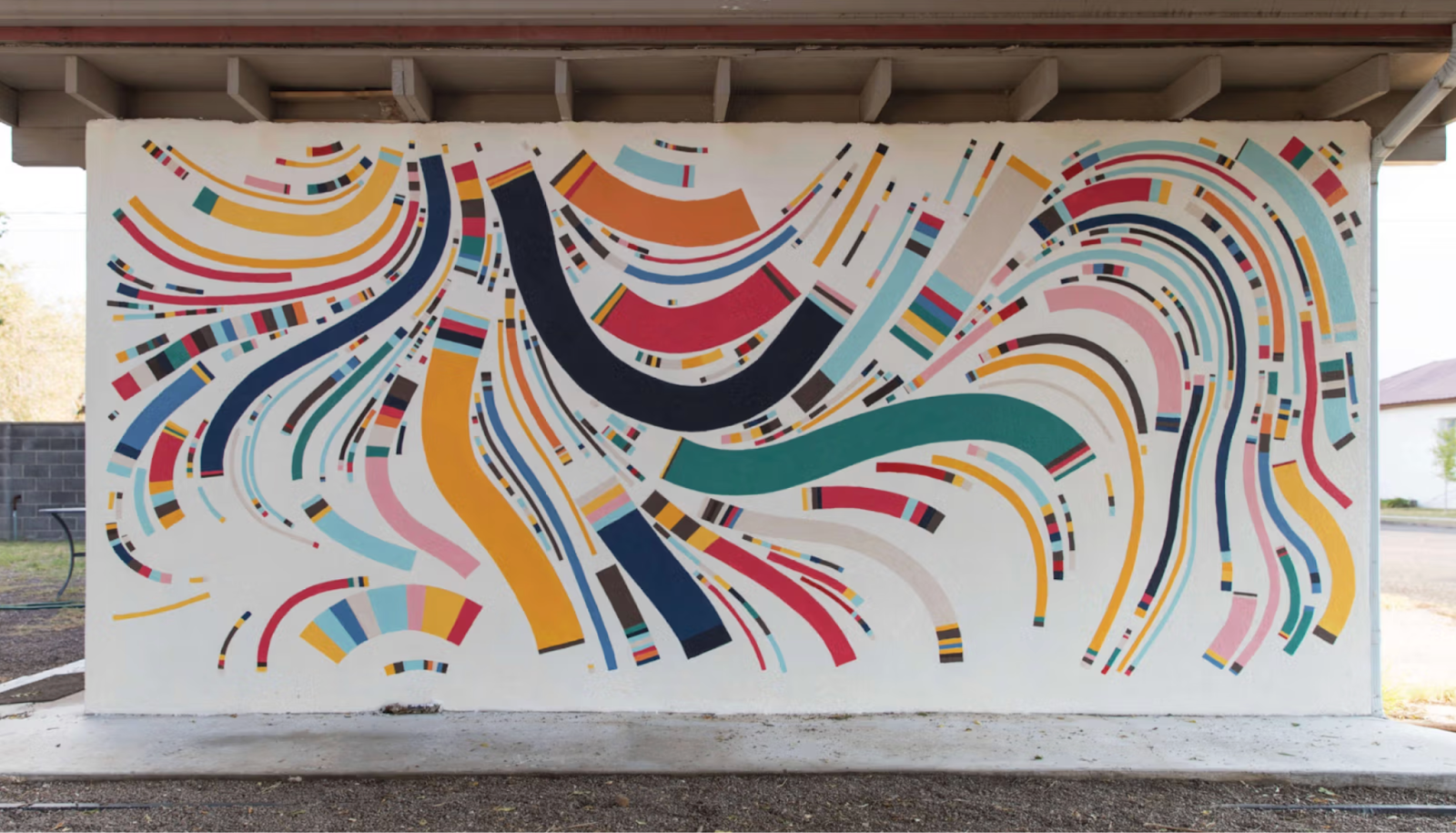
OpenSea: I couldn’t agree more. My last question is about being here in Marfa. You have a family connection here, but what does it mean for you to be here? Does this space have any resonance for you? And you have a mural here, too. I'd love to know a little about that.
Tyler Hobbs: Marfa is a really special place for me. I've come here maybe a dozen times. I have family ties here going back to my great-grandparents. It's a magical environment. I love the landscape and the connection to art history with the Judd Foundation and everything here. It's a space that's called to artists for a long time. I was lucky enough to paint a mural here in 2021 by the Art Blocks house. I actually got married out here a couple of years ago, so Marfa is a really special place for me. It's always near and dear to my heart.
OpenSea: Amazing. Also, how cool you got married here. Was it here in town?
Tyler Hobbs: A little bit down the highway, about 10 minutes away in a big empty field. The ceremony was out where you see all the landscape and nothing else. We had the wedding reception here in the ballroom, and I signed my wedding certificate right here. So literally, here is where I got married.
OpenSea: That's so nice. I love that.
Tyler Hobbs: It's kind of a trip being back, but yes.
OpenSea: Very cool. Well, that's a wrap. Thank you so much.
Tyler Hobbs: You're welcome. It was great.
Disclaimer: This content is for informational purposes only and should not be construed as financial or trading advice. References to specific projects, products, services, or tokens do not constitute an endorsement, sponsorship, or recommendation by OpenSea. OpenSea does not guarantee the accuracy or completeness of the information presented, and readers should independently verify any claims made herein before acting on them. Readers are solely responsible for conducting their own due diligence before making any decisions.


.avif)
.png)
.png)
.png)
.png)