.png)
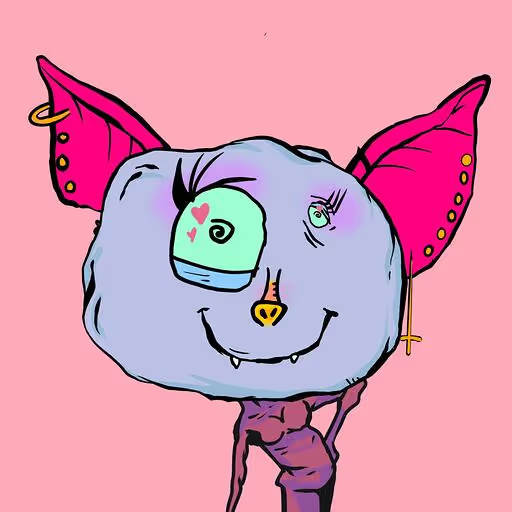
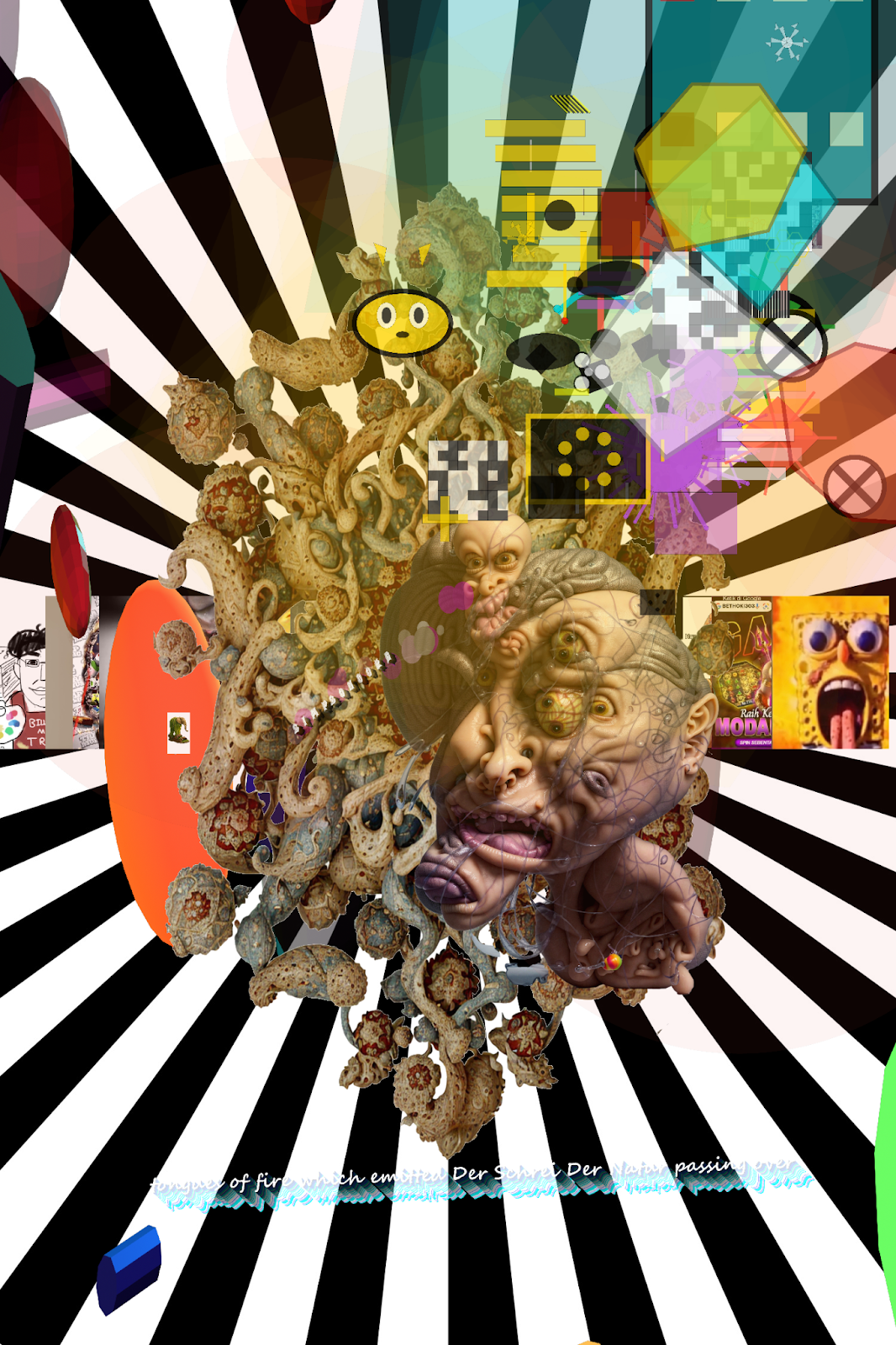
Xanthrax has built a practice around shifting identities and the fast moving life of digital images. His work blends internet subcultures, art history, and a fascination with how pictures evolve across platforms and technologies. Rather than settling into a single style, he creates a wide field of imagery that can feel overwhelming at first encounter, which is part of the point.
Xanthrax's latest release, Profile Pictures is a new collaborative project with Parker Ito minting on OpenSea with Shape. We spoke with Xanthrax about his path through art, the pull of web3 communities, the humor and darkness in his work, and the art historical roots that shape how he approaches contemporary image making.
Note: This interview has been edited for length and clarity.
.png)
OpenSea: To start from the beginning for readers who may be encountering your work for the first time, how would you describe who Id_Xanthrax is?
Xanthrax: Over the years I have used many different pseudonyms. I never want to use my real name when I make art on the internet. There is something essential about the pseudonym in online art. It is similar to the graffito choosing a tag. My name has changed and evolved, but recently I have stuck with @id_xanthrax. I imagine it will change again eventually.
OpenSea: So, is Xanthrax a person, a project, something else?
Xanthrax: That is a tough one. I would say it is more of an extended performance of an artist than an actual artist. The image of an artist instead of the artist himself. The project has many dimensions. One of them is a performative online persona that feels like a mix between a 4chan troll and a jaded art school kid with a bit of evil in him. Someone who dissects contemporary images and tries to expose something darker or hidden within them.
The project takes many forms, but a consistent thread is a heavy focus on the image, especially the digital and technical image, and how it has iterated over time. I started using the pseudonym about seven years ago. Since then, there have been so many technological shifts, from developments in 3D to AR to VR to AI.
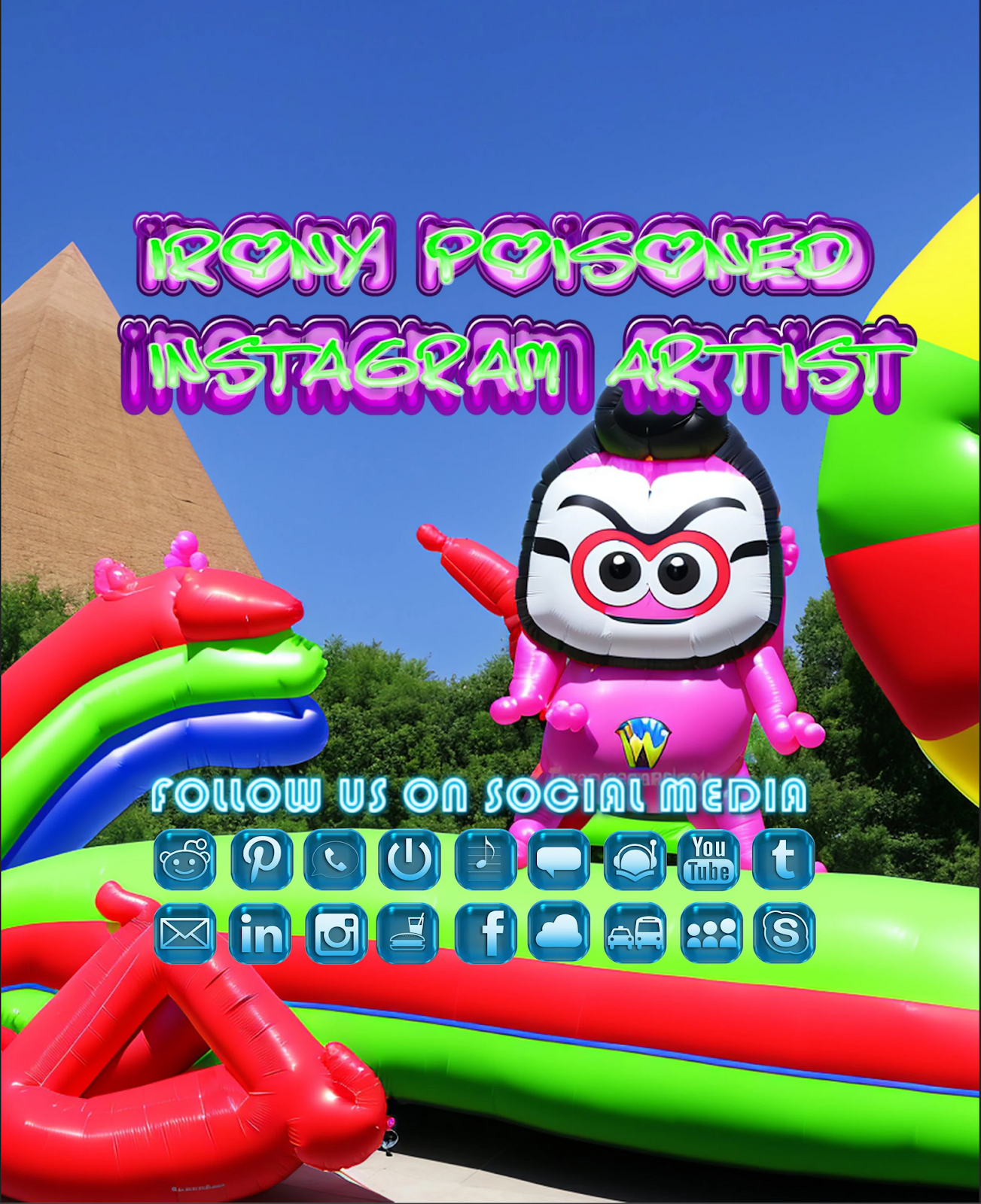
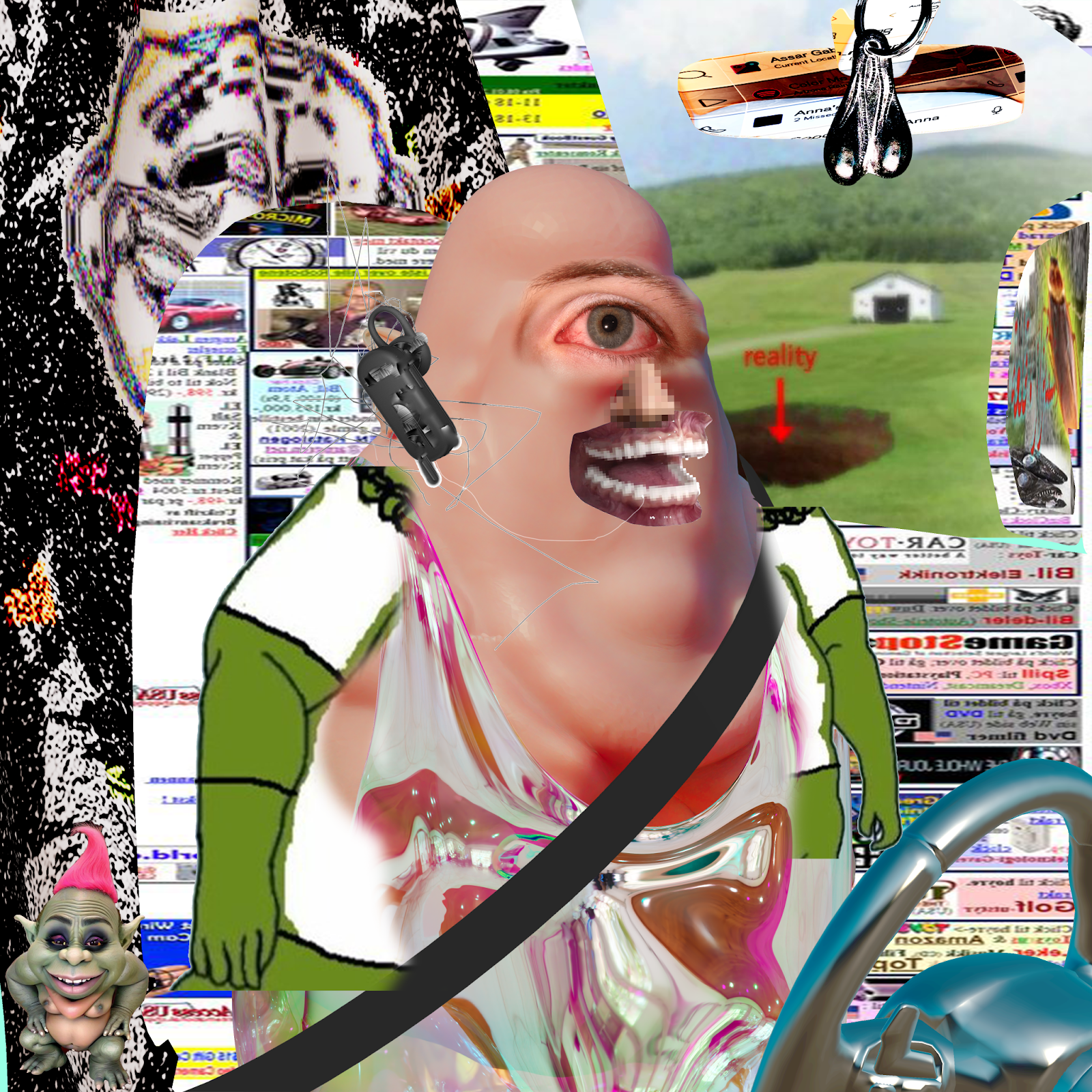
Sometimes people look at my pages and think it must be a collective, or a blog, or multiple artists because there are so many styles. But I am not interested in communicating through one authorial style. I am interested in surveying the state of imagery, how it moves and changes, and how different trends take shape. If someone feels overwhelmed when they first see it, that reaction makes sense.
OpenSea: How did you first get started in art?
Xanthrax: I have been doing art my whole life, since I was very young. I have always done a bit of everything. My first professional entry point into making things was through music. I ran a small experimental sound label for a while. Growing up, I played in bands, DJed, did graffiti, made zines and electronic music. My entry point to art has always been subcultural.
I grew up in Windsor, Ontario, where there was not much of a gallery scene. The music scene was there, but it was mostly punk or noise. So my early access to art came through graffiti, cartoons, and extreme music. Rave culture in Detroit, Windsor's border city, punk shows, and DIY happenings in general; all of these subcultural threads formed my foundation. Things are at once considered low art, that’s the world I came from.
OpenSea: What led you to web3 and blockchain art?
Xanthrax: The connection came through a friend who was part of an online rap collective and crypto NFT collective called BRG. He encouraged me to make an NFT. At first I thought crypto seemed like a big scam, maybe I still feel this to a degree. This was 2022 during the bear market that followed the 2021 JPEG summer.
My friend got deeper into the scene connected with the Remilia collective and started bringing me in. My first NFT was called Self-Driving Megaworms. It was a generative PFP project of 6,666 pieces. I originally wanted to do it on Ethereum, but when I started connecting with people, I found a smaller niche of artists on Solana whose work resonated with me more. Back then, very few people cared about Solana, but I felt my work had a home there.
Once you get into crypto Twitter, it becomes a community. You make friends, you beef, you’re in group chats all day. It pulls you in.
OpenSea: When I spoke with Parker [Ito], he said he first encountered your work through the Self-Driving Megaworms project. You also interviewed him at one point on X. Were you doing interviews often?
Xanthrax: Yes. One of the main ways people in our space used to shill NFTs was through Twitter Spaces. When I hosted Spaces, I would invite NFT artists I admired and have long conversations with them. In the beginning, during the development of Megaworms, we framed the show as a radio program called Earworm Radio. We made music for it and created a whole thematic experience. It became a way to make people aware of our work while also building community.
After you talk to someone directly, you feel much more connected, and suddenly you are on their radar. There is such a barrier to entry in this space, and Twitter can feel impersonal. Interviewing people broke through that.
I interviewed Parker when he was working on his first NFT, but I had known his work long before that. His post internet work was influential to me years before we met.
Many institutional artists have come into the NFT space and feel like tourists. Parker, on the other hand, approached it the same way he approached earlier subcultural internet art movements. He saw genuine energy in the space. So it made perfect sense when he entered NFTs, and very quickly we decided to collab.

OpenSea: You’re launching Profile Pictures with Parker Ito on December 2. Can you tell us more about the project?
Xanthrax: We had wanted to work together for a while, but other projects got in the way. From the beginning, we were interested in making something that visually echoed 2021 NFT culture. Those projects were not necessarily aesthetically innovative. They hired someone to draw basic cartoons. Innovation was more so born in the form itself, like the membership club around Bored Apes.
We wanted to reference that aesthetic space while also drawing from art history. Something that felt painterly and traditional but also deeply rooted in NFT culture.
The project began after I read “The Story of Art” while I was in Mexico. One of the stories mentioned in the book traces a lineage of seated pope paintings from Titian to Velázquez to Francis Bacon, who made a famous homage. We were interested in creating an NFT derivative of that lineage, and at the same time making the NFT hyper derivative the way many NFT projects are.
We also talked about rugcore, a term coined by Charlotte Fang to describe NFTs that feel scammy or chaotic. We wanted to make a pope that felt like a rugcore NFT.
There is something bold and even sinister in the idea of the pope as a figure who claims to represent God. That darkness connects to what I was saying earlier about my work exploring evil within images. Portraiture also connects directly to NFTs, because people treat their PFPs like portraits and status symbols, similar to how elites once commissioned paintings to preserve their image. The permanence of the blockchain echoes that desire to live on past our own lives. Whether NFTs will have that kind of longevity is still unclear, but the impulse is similar.
OpenSea: Would you say art history inspires your aesthetic? Are certain artists central to your work?
Xanthrax: Art history is very important to what I do. Sometimes I think my art is actually a vehicle for doing art history. My process is very self-aware, and I am especially interested in very recent art history. Every day becomes part of art history.
Trying to dissect the present moment is difficult. It is ambitious to confront the contemporary image directly, and I often fail, but it matters to me to stay hyper contemporary. That does not mean ignoring the past. We did not arrive here out of nowhere. Some people in web3 like to pretend we burned everything down and created a new art history. That is not how it works. If anything, this space needs more reverence for the art history that came before it.
OpenSea: How do you hope people feel when they encounter your art for the first time?
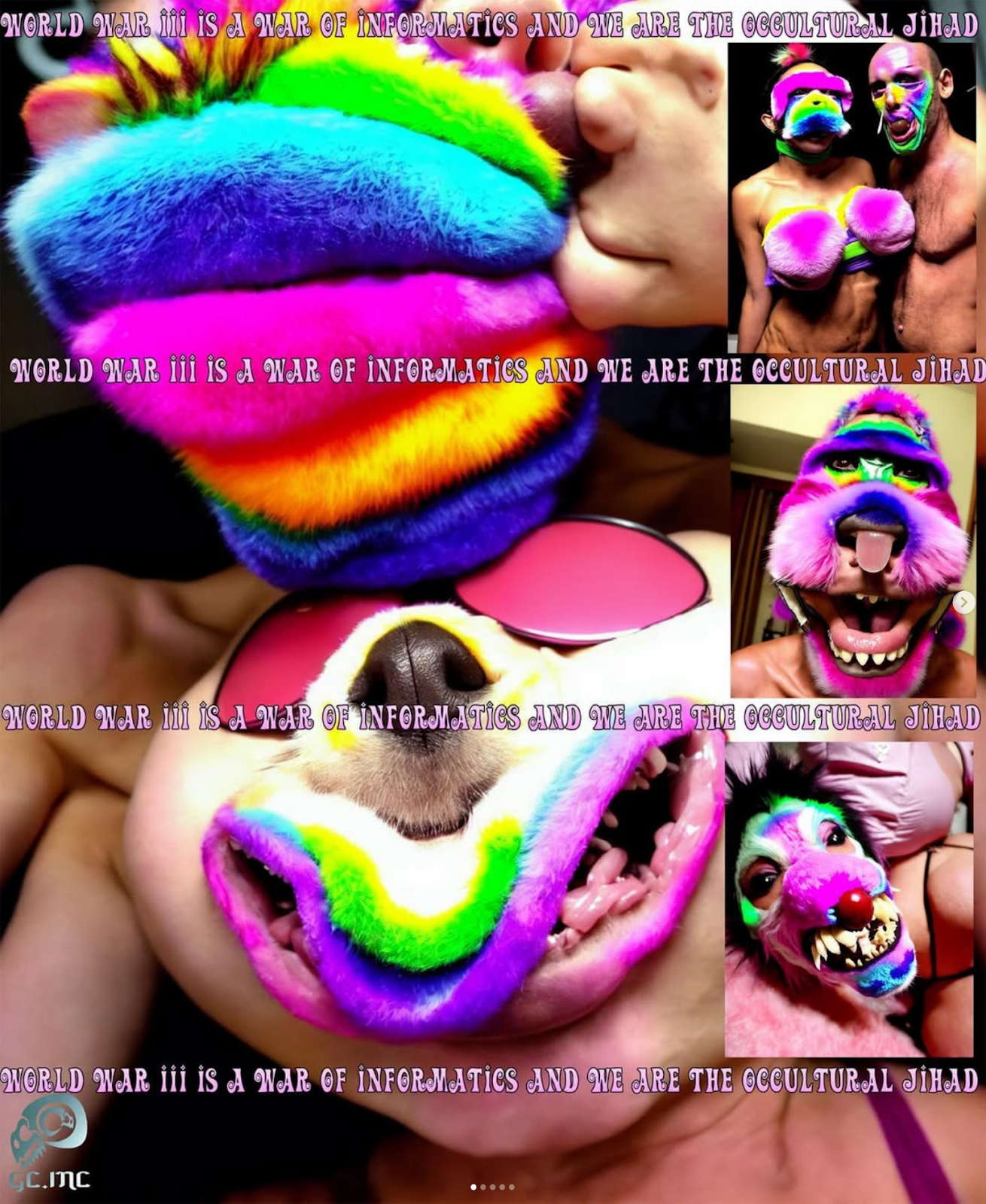
Xanthrax: Any reaction is a success. If someone is disgusted and hates it, that is better than indifference. Indifference is like death in art.
Humor is important to me. I often make things because I find them funny or entertaining. A lot of art is not interested in entertainment. It is opaque and deliberately alienating. Some people feel that way about my work, but I hope anyone can find something to enjoy or something to despise. With my work, people tend to either love it or hate it. There is not much middle ground.
OpenSea: Looking ahead, is there anything upcoming for you? Any new projects?
Xanthrax: I am really busy because we are working on this NFT, and at the same time I have an exhibition opening the same week. It is at Apartment 13, a project space in Providence. I also have more physical exhibitions next year.
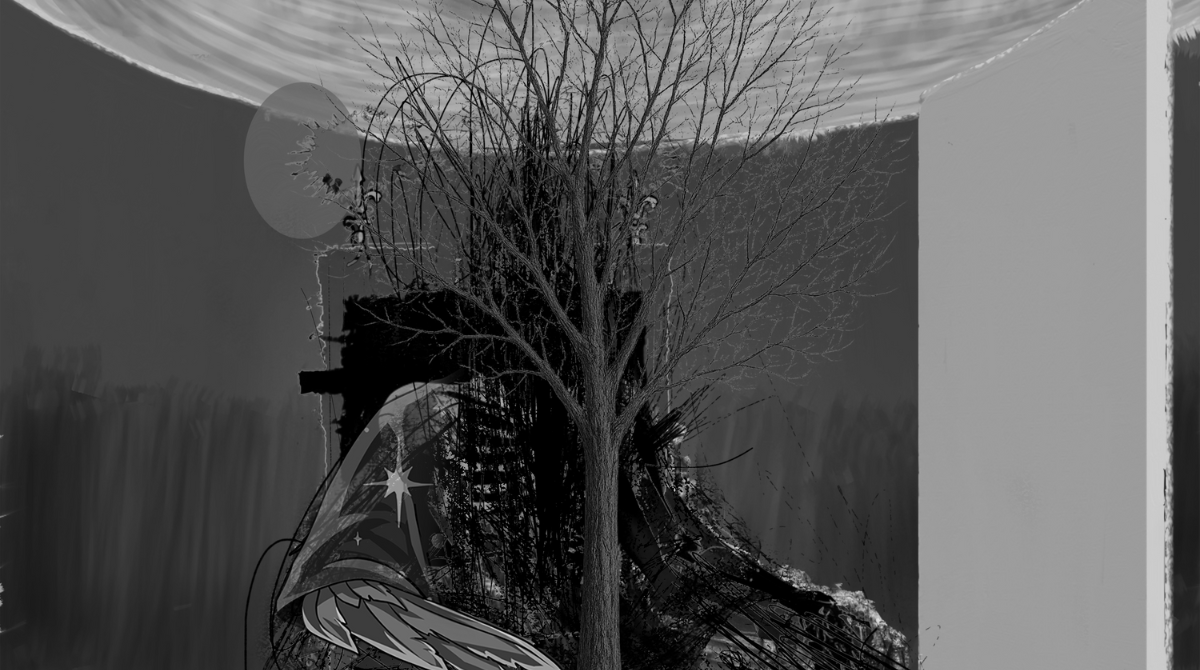
I have another NFT minting right now on a platform called VVV, which my friends created. It is called smiley.bmp.exe. It is not a PFP. It is more conceptual, but still very visually dense. It deals with slop and children’s advertising. It is very different from what I am doing with Parker.
For the exhibition, I am making sculptures, including lamps based on AI images. They are grotesque and almost gothic. I also made rugs and have drawings and paintings. The show is more of an immersive installation than a set of individual works.

OpenSea: You have a lot coming up, good luck with the exhibitions! And thanks so much for this conversation. It has been great.
Xanthrax: Thanks, this was fun. Cheers.
Disclaimer: This content is for informational purposes only and should not be construed as financial or trading advice. References to specific projects, products, services, or tokens do not constitute an endorsement, sponsorship, or recommendation by OpenSea. OpenSea does not guarantee the accuracy or completeness of the information presented, and readers should independently verify any claims made herein before acting on them. Readers are solely responsible for conducting their own due diligence before making any decisions.


.avif)

.png)
.png)
.png)
.png)