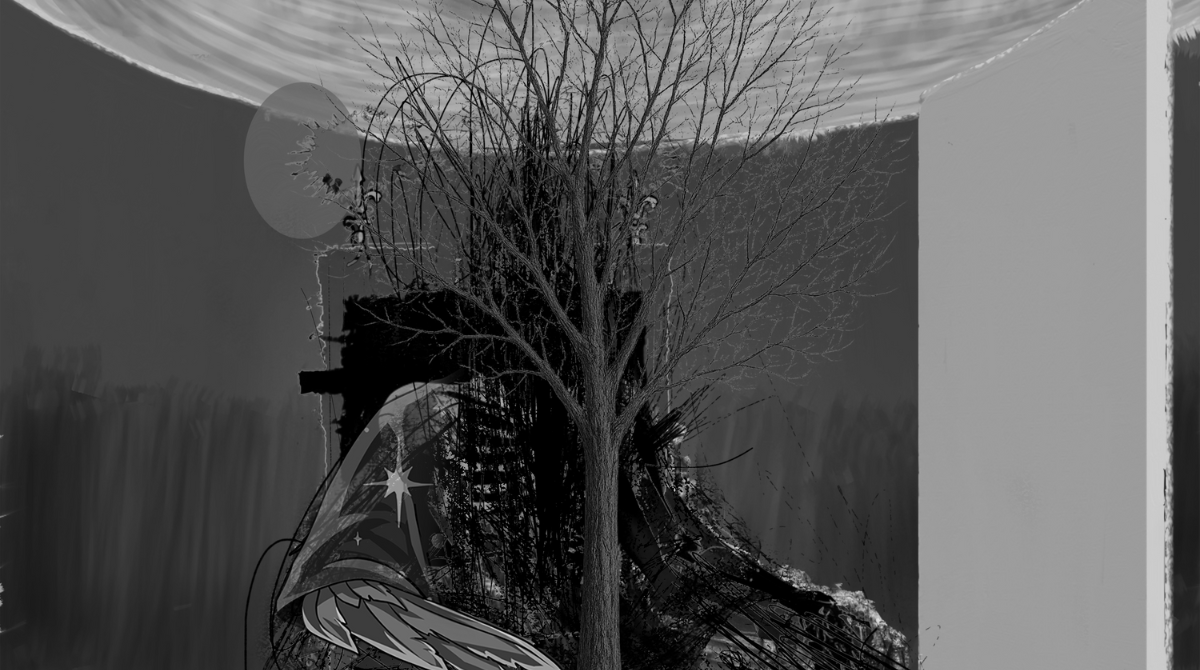
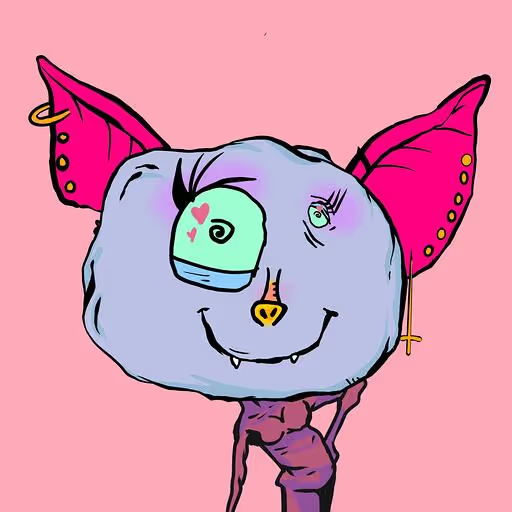
Parker Ito has spent the last decade moving fluidly between digital culture and contemporary art, finding new ways to connect the two. His path from early net art to the Solana community reflects a return to the energy and experimentation that first shaped his practice. In this conversation he shares how rediscovering online creative spaces reshaped his approach to making work onchain.
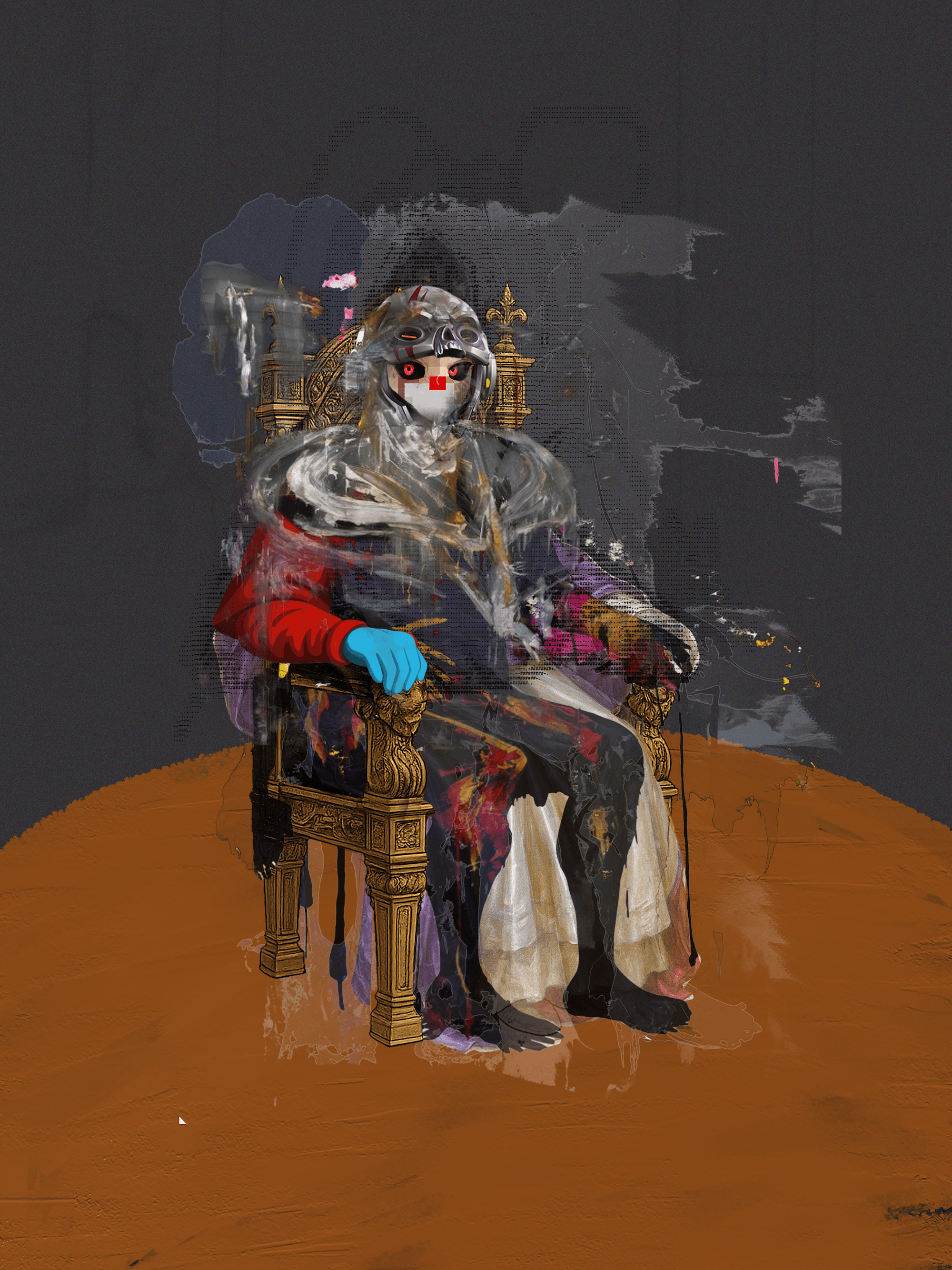
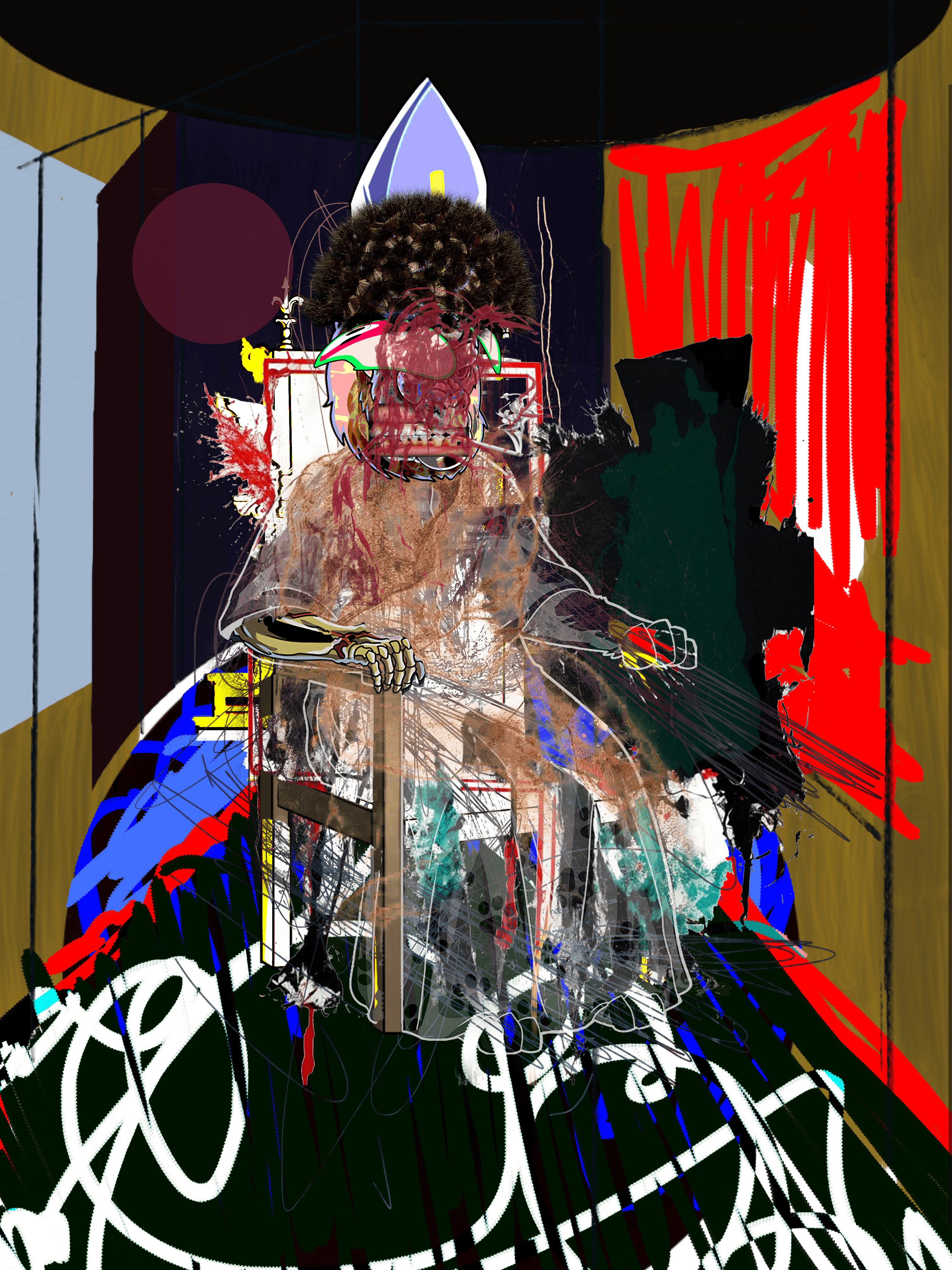
His latest project Profile Pictures with Xanthrax mints December 2 on OpenSea with Shape and draws on a centuries-long lineage of artists reinterpreting shared visual language. Ito speaks about the ideas behind the collaboration, the influence of historical portraiture and the ways today’s NFT communities echo the remix-driven creativity of past movements.
Note: This interview has been edited for length and clarity.
OpenSea: Let’s start by talking about how you first got into creating art and what led you to blockchain art?
Parker Ito: It’s a long story, but I’ll give a short version. I grew up skateboarding in Southern California, and my friends and I would make skate videos and screen-printed shirts. We were doing creative things, but I never thought of it as art or a potential career. When I was 18, I was phasing out of skateboarding and read a book about Jean-Michel Basquiat. It was fascinating, and that was the moment I decided I wanted to be an artist. I started to understand what art could be. I went to art school, graduated in 2010, and by 2012 I was making art full-time.
A couple of years ago, in 2023, I was asked to do an NFT project. I had worked on one back in early 2021 but never finished it, so I hadn’t been paying attention to NFTS at all. When I started this new project, I started seeing a lot of Solana NFTs pop up on my timeline. It felt completely different from my previous experiences with NFTs. It was the first time I saw NFTs in a context that inspired me and made me want to be part of the conversation. For the last year and a half, I’ve been involved primarily with the Avant Gay Solana scene.
OpenSea: Has your relationship with online culture shifted since you began in the space compared to now?
Parker Ito: Yes and no. It’s changed because I spend a lot more time on my computer again, hanging out online with my NFT friends. I’m in a bunch of group chats on Twitter now that are super active.
When I was in college, I was part of the net art scene, which would later become co-opted by the mainstream art world and got renamed Post Internet. From around 2008 to 2012, I was constantly online, meeting a lot of new people. But after 2012, as I moved more into the mainstream art world, I wasn’t as active online. I forgot how much I enjoyed hanging out with people online.
When I discovered artists on Solana making NFTs, it reminded me of those early net art days, and that really excited me. It felt like coming full circle.
OpenSea: Very cool. You have an upcoming drop, Profile Pictures, on December 2. You shared a teaser with artist names like Titian, Velázquez, and Bacon. Can you tell us more about that?
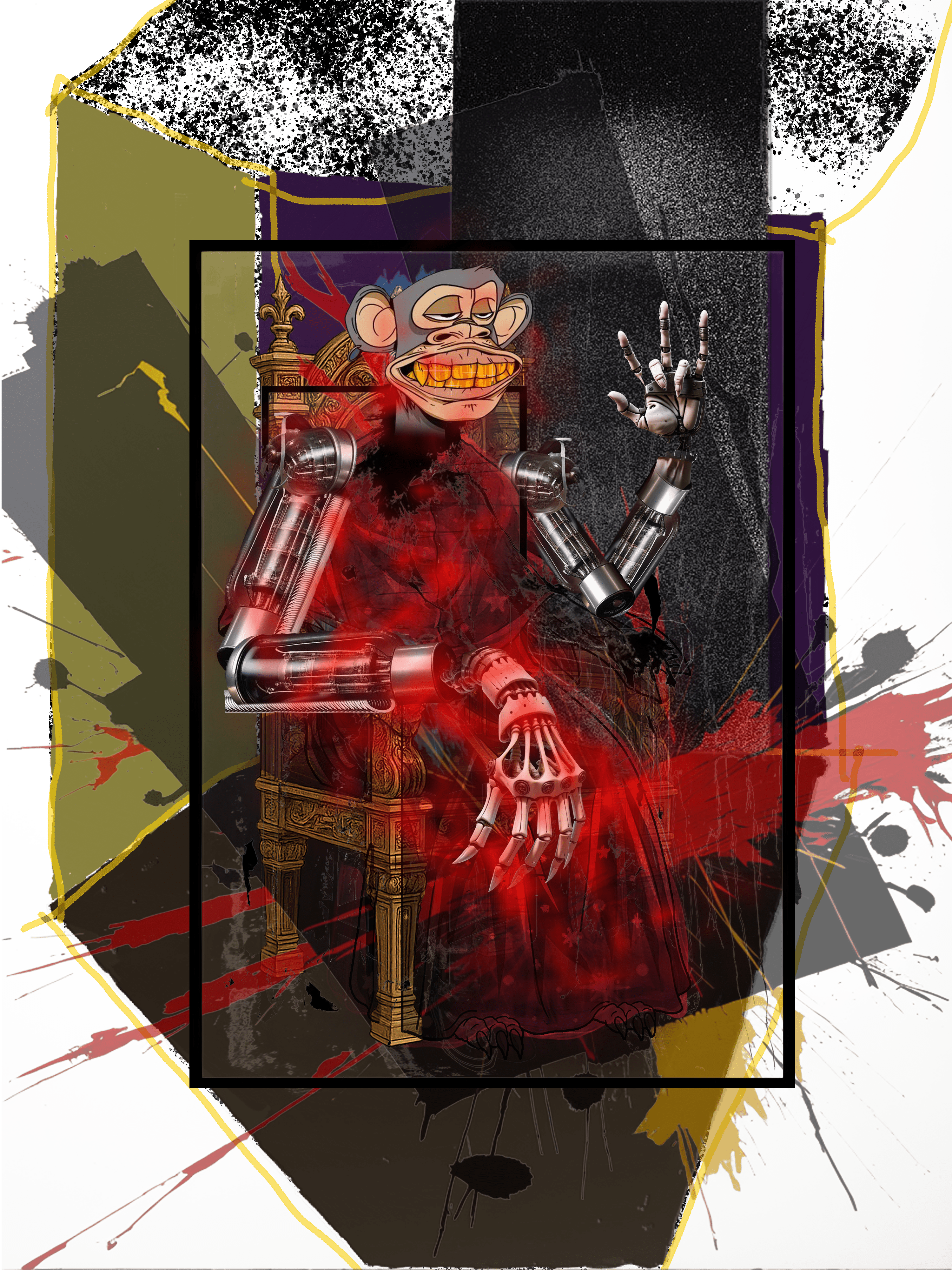
Parker Ito: The teaser traces a lineage of artists painting the Pope. There’s actually a fourth artist, Raphael, who inspired Titian.
I was thinking about that lineage in parallel with derivative collections on Solana. I don’t mean “derivative” in a negative sense. I mean derivative as in collections that reuse and reinterpret earlier collections, a lot of the time using the same assets. That process of reusing assets feels similar to how Titian established the pose for painting the Pope that Velázquez later used, which then was reinterpreted by Francis Bacon.
OpenSea: And your collection continues that idea?
Parker Ito: Exactly. We borrowed formal qualities from Velázquez and Bacon’s Pope, like the basic composition and the perspective, then of several different rooms the Pope is seated in are different rooms from Bacon paintings that I redesigned. There’s also a connection in the content. Xanthrax, who I collaborated with, has crossover with Bacon in the kinds of images they're both attracted to.
OpenSea: How did you decide on the Pope as the subject?
Parker Ito: I’ve always loved Bacon’s work, and I knew about the connection to Velázquez. When I read about the paintings more, I discovered how it could be traced back to Titian and Raphael. The Pope as a subject offered a perfect format: a figure in a room that could be cropped or expanded. It works as both something that could be painterly and something that could also function like a PFP. The composition gave us space to experiment with the environment and the figure. It just fit perfectly.
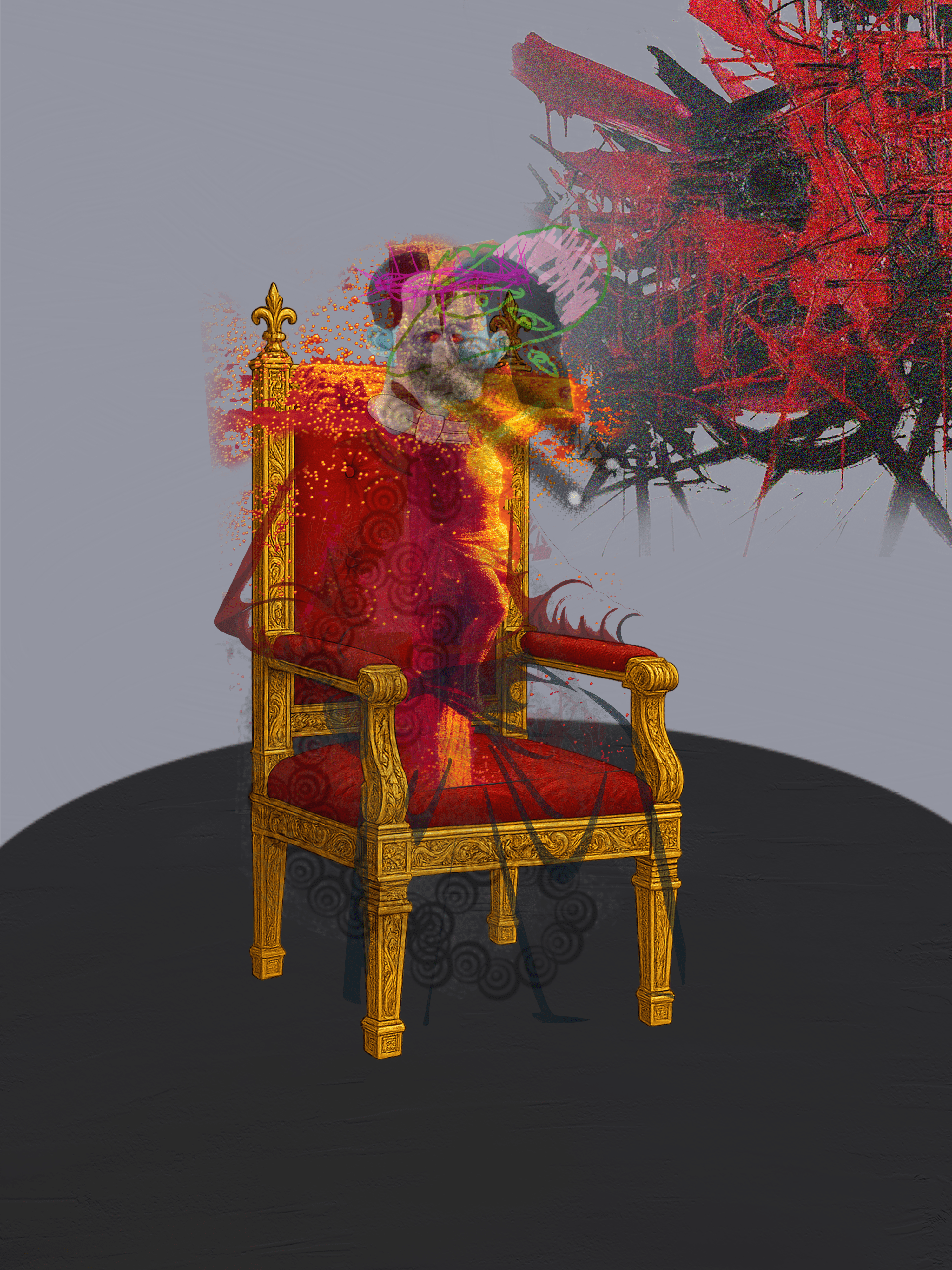
OpenSea: And collectors can interpret it however they want, whether as a PFP or as an artwork.
Parker Ito: Exactly. It’s almost a collection about PFPs, hence the title. It was also an attempt to make a collection that deals with what we in the Solana scene call “rugcore” aesthetics, which are these flat, graphic collections, often of animals, and alliterative titles. We even hired artists on Fiverr to make materials in that style to include in the project.
OpenSea: How did you and Xanthrax connect originally?
Parker Ito: His collection Self-Driving Megaworms was one of the first NFTs I saw and I thought, “What is this?” I didn’t know people were making NFTs that looked and felt like that. I thought the art was really good but then when I realized there was this whole group of artists working in dialogue it really drew me in. Discovering this community that had grown organically, almost completely outside of the artworld was super exciting.
Even though my first NFT collection was released on Ethereum, people from the Solana community really supported it. Xanthrax reached out early on to interview me for a Twitter Spaces series he was doing. We stayed in touch, met in person in New York a couple of times, and have been talking about doing a collaborative project for awhile. This project felt like the perfect time.

OpenSea: Why did you decide to release it on Shape?
Parker Ito: The team reached out after the Solana scene started getting more attention this summer. A lot of people from Ethereum became interested in what was happening. They explained what Shape was, and I thought it’d be a good chance to reach a new audience. I don’t know how it will be received, but I have a gambler's mentality.
OpenSea: And after this drop, what’s next?
Parker Ito: I’m fully obsessed with NFTs now. I have a few projects in the works. One is a blockchain group show featuring artists from the Solana scene. It’s my first experiment with blockchain-specific mechanics. The NFT I’m making changes based on different factors. It’s an image of me as a knight character that reacts to Ethereum’s price. When Ethereum is up, the armor shines. When it’s down, it looks damaged.There is also a 24 hour day to night cycle based on the time in Los Angeles. There’s a third element, a mist, that becomes denser under certain conditions that I’m still figuring out.
OpenSea: That sounds amazing.
Parker Ito: There’s another project I’m working on related to my first Ethereum collection which was with a platform called Zien, which no longer exists. Part of the project was that you could redeem NFTs for oil paintings. The collection never minted out, and when Zien shut down, the infrastructure for minting and oil painting redemption disappeared. I rebuilt the mint page and created a slot machine that lets you mint NFTs for spins on the slot machine. You can win free oil painting redemptions if you hit a jackpot. The paintings are made in a Chinese painting village. I’m figuring out when to release it since I’ve put out a lot this year.
Next year I have several gallery exhibitions planned. Many will incorporate NFT content from this year into paintings. I’ll probably do one major NFT project to coincide with one of those shows.
OpenSea: That’s a lot! You have so many projects lined up. Thanks for chatting with me today, this has been great.
Parker Ito: Thanks, Hannah.
Disclaimer: This content is for informational purposes only and should not be construed as financial or trading advice. References to specific projects, products, services, or tokens do not constitute an endorsement, sponsorship, or recommendation by OpenSea. OpenSea does not guarantee the accuracy or completeness of the information presented, and readers should independently verify any claims made herein before acting on them. Readers are solely responsible for conducting their own due diligence before making any decisions.


.png)
.png)
.png)