.png)
Justin Aversano’s work has brought a deeply human touch to the NFT space. Through projects like Twin Flames and Moments of the Unknown, he’s reimagined how photography can connect communities, blending analog craft with the permanence of the blockchain.
From photographing twins across three continents to co-founding Quantum Art, Aversano has consistently pushed the boundaries of how photography is created, shared, and collected. His work blends mysticism, ritual, and human connection, bringing a distinctly personal perspective to the blockchain.
In this conversation, Justin Aversano reflects on his journey from traditional fine art photography to pioneering NFT collections, the role of community and curation, and how web3 has transformed not only his career but also the future of the medium.
OpenSea: Can you tell us what initially drew you to the NFT space?
Justin Aversano: What initially drew me to the NFT space was the opportunity to use technology to present my photography in innovative ways. It felt like a step beyond just sharing on social media, allowing me to create a verifiable archive and ownership through minting. During the pandemic, as everyone was online, I learned about these new technologies through platforms like Clubhouse, where tech and art communities were coming together. Through these conversations, I was inspired to start creating NFTs in 2021.
OpenSea: Before entering web3, you were already an accomplished photographer. Did the NFT world reshape your perspective of what it means to be an artist?
Justin Aversano: Before NFTs, my photography practice often involved creating editions of prints, much like the traditional gallery model of producing multiple copies. Entering the NFT world reshaped my perspective by emphasizing the value of one-of-one artworks. This allowed me to treat my photographs more like unique paintings, where each piece is truly singular and rare. For example, with my ‘Twin Flames’ series, I embraced the idea of one-of-one prints, making each piece feel more sacred and exclusive. In essence, NFTs reinforced the importance of scarcity and shifted my mindset towards creating truly unique pieces.

OpenSea: What was your initial reaction to the concept of tokenizing art on the blockchain? Did it feel intuitive, or did it take time to see the value in it?
Justin Aversano: Initially, the only cryptocurrency that really made sense to me was Bitcoin, but discovering Ethereum’s potential for art opened my eyes. At first, when I tried minting my works, it didn’t quite go as planned, and I felt a bit lost and unsure about the process. There was definitely a learning curve, but with the help of people like GMoney and Alex Masmej, I was able to navigate the process and successfully mint my first pieces. Over time, I came to appreciate the significance of tokenizing art and how it could connect my work with new audiences in the digital realm. In hindsight, that initial leap into NFTs felt intuitive as the next step for promoting and sharing my work, and ultimately, I began to see the true value as collectors found and supported my art.
OpenSea: Your work blends themes like mysticism and ritual with visual storytelling. How do you balance those very grounded and analog themes with the technical aspects of Blockchain?
Justin Aversano: The philosophy always begins with an idea rooted in the human condition, whether it’s exploring different communities, mysticism, or themes of healing and the hero’s journey. For me, making art is a spiritual ritual, a daily practice of creation and self-improvement. The visual storytelling naturally emerges from this journey. By working with analog processes like film photography and alternative printing, I weave together the tactile, human elements of the past with the digital possibilities of the future. In that sense, the technical aspects of blockchain become a bridge, marrying the analog and the digital, and allowing these timeless themes to find new life and permanence.
OpenSea: Was there a moment you realized NFTs could not just amplify your work but transform your career?
Justin Aversano: The moment that truly transformed my career was the day I minted my first NFTs. Incredibly, all of the work sold literally overnight. These were pieces I had been trying to connect with the right audience for years, and suddenly, they were being collected by prominent collectors and fellow artists. It was a drastic and almost instantaneous shift, and it really affirmed that I was on the right path by sharing my art in this new and innovative way.
OpenSea: “Twin Flames” has become one of the most iconic photography projects in our space. What was the original inspiration behind it? Looking back, why do you think the project resonated so strongly with the community?
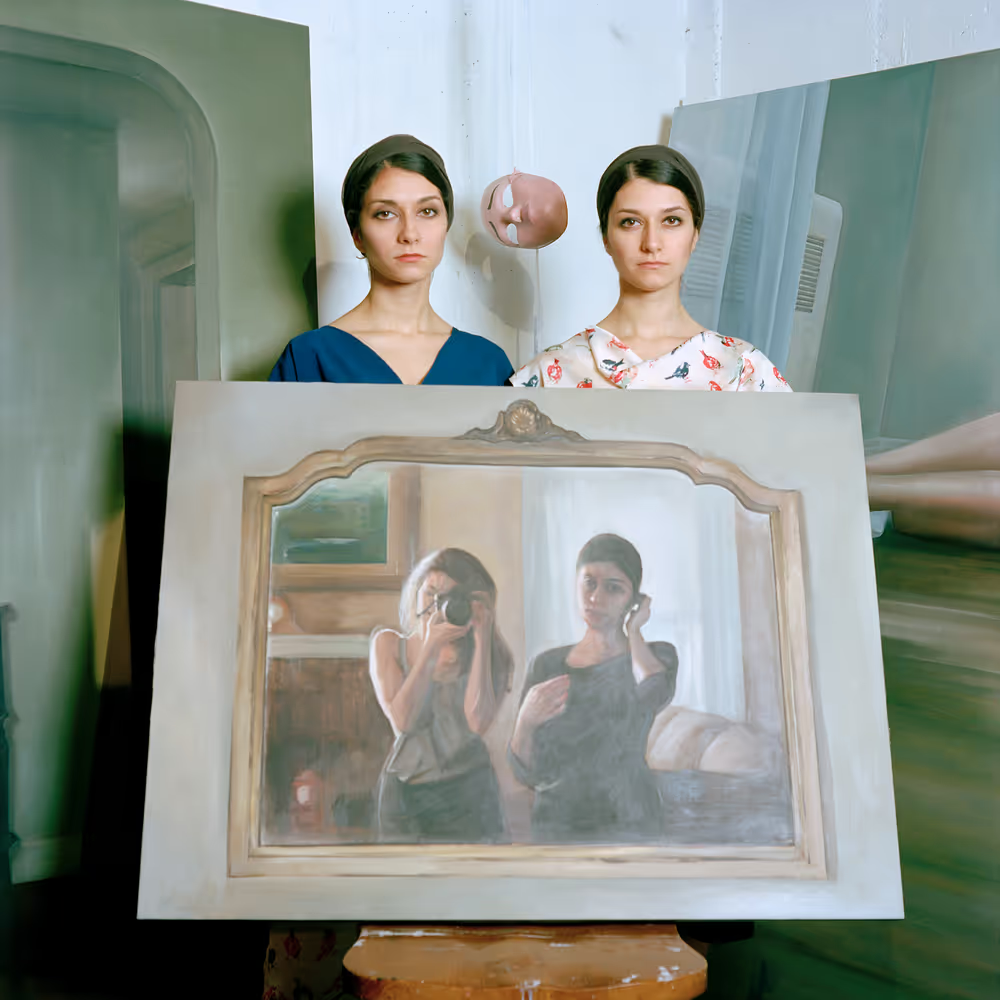
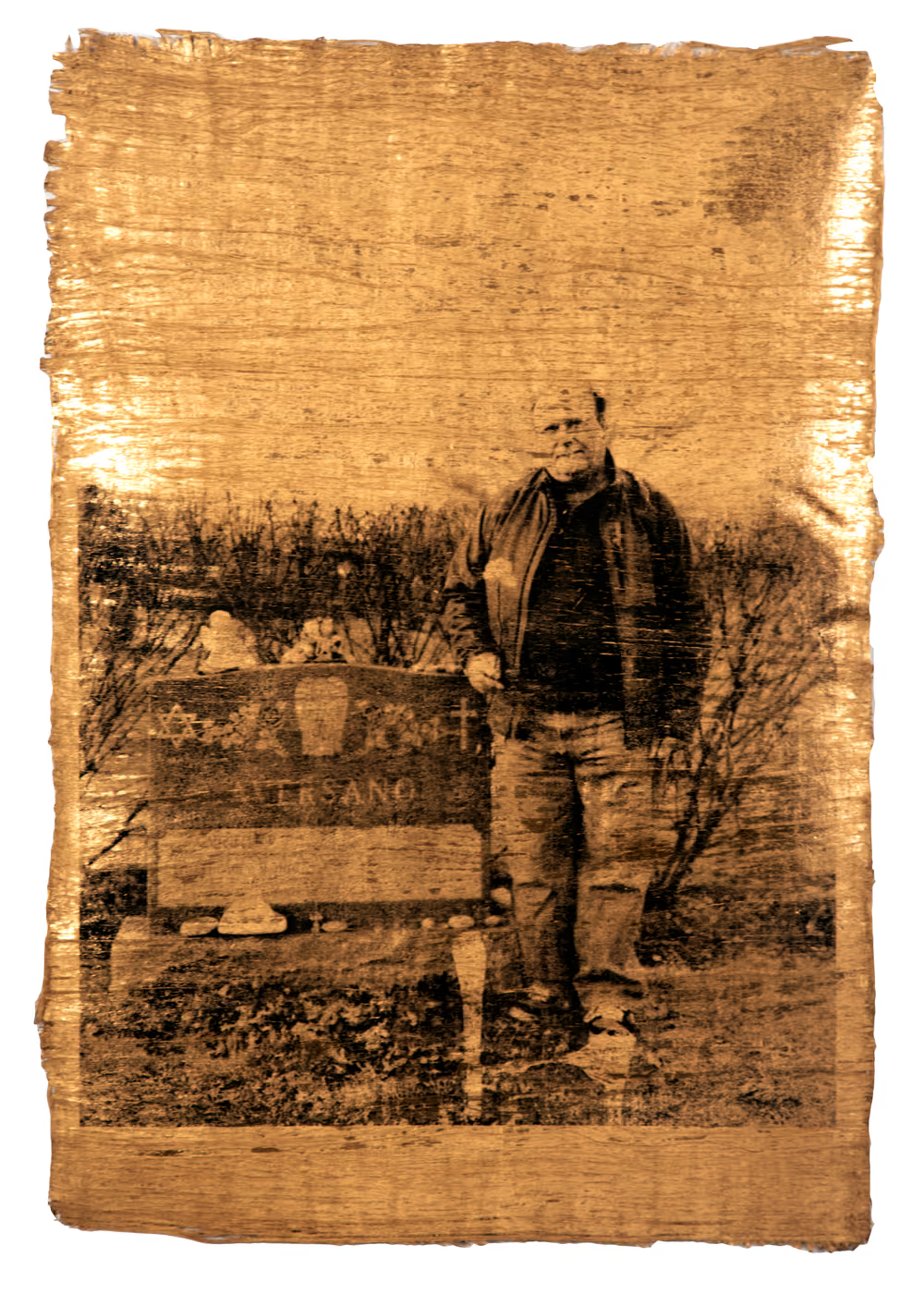
Justin Aversano: The original inspiration behind ‘Twin Flames’ was rooted in healing. Having lost my own twin, I wanted to connect with the twin community across three continents as a way to understand and process my feelings of loss and grief. The project helped me move from a sense of incompleteness to a feeling of wholeness, especially after creating the book and exhibition that brought closure to that chapter of my life. When the project transitioned into the NFT space, it took on a new life and allowed me to connect with others who resonated with the work. I think the project resonated so strongly because it brought a human element to the blockchain at a time when there wasn’t much portrait photography in the space. Seeing real people instead of just pixels created a unique and powerful human connection.
OpenSea: You dropped “Twin Flames” in 2021, which was obviously a pivotal moment for NFTs. What was that like?
Justin Aversano: It felt so natural and in the moment. Looking back, I’m just incredibly grateful for the guidance and support of the people who genuinely cared about me and my work. Their support allowed me to flourish, and it truly made that pivotal moment for NFTs even more meaningful.
OpenSea: You co-founded Quantum Art, one of the first on-chain photography platforms. What gap were you trying to fill?
Justin Aversano: In essence, we wanted to create a space where people could easily find and discover great photography, while also supporting artists who come from the traditional art world and are now emerging in the digital art space.
OpenSea: You’ve often spoken about community and curation. How do you balance maintaining the decentralized ethos with your artistic vision?
Justin Aversano: The community is deeply ingrained in and is the core substance which makes up the digital art space, and by curating the works and also supporting those who surround and supported me, I maintain that balance. It’s all about sharing the vision and connecting with people who have similar artistic goals for the future.
OpenSea: Tell us about “Moments of the Unknown.” What was the inspiration behind the project, and how has it evolved since you started it?
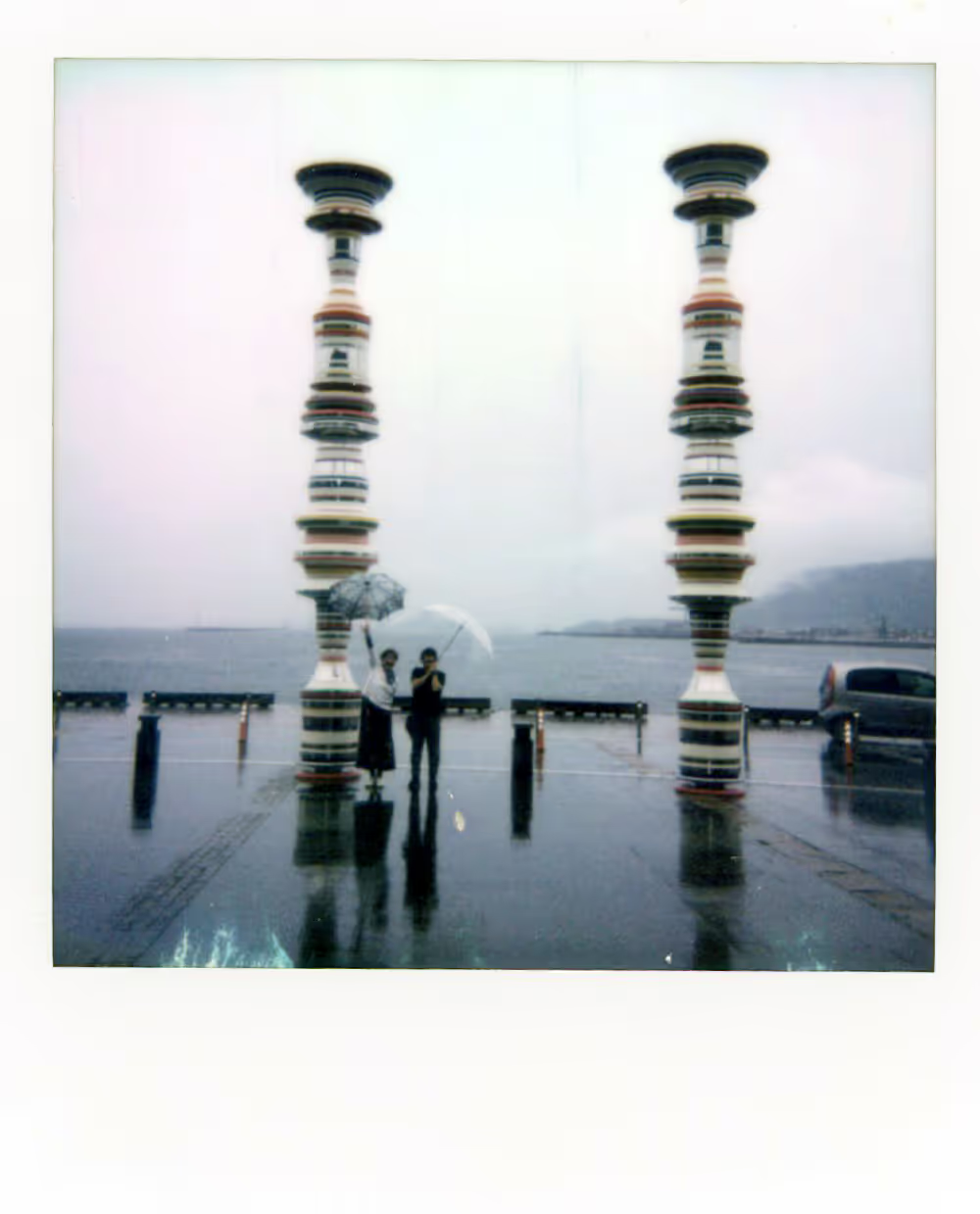
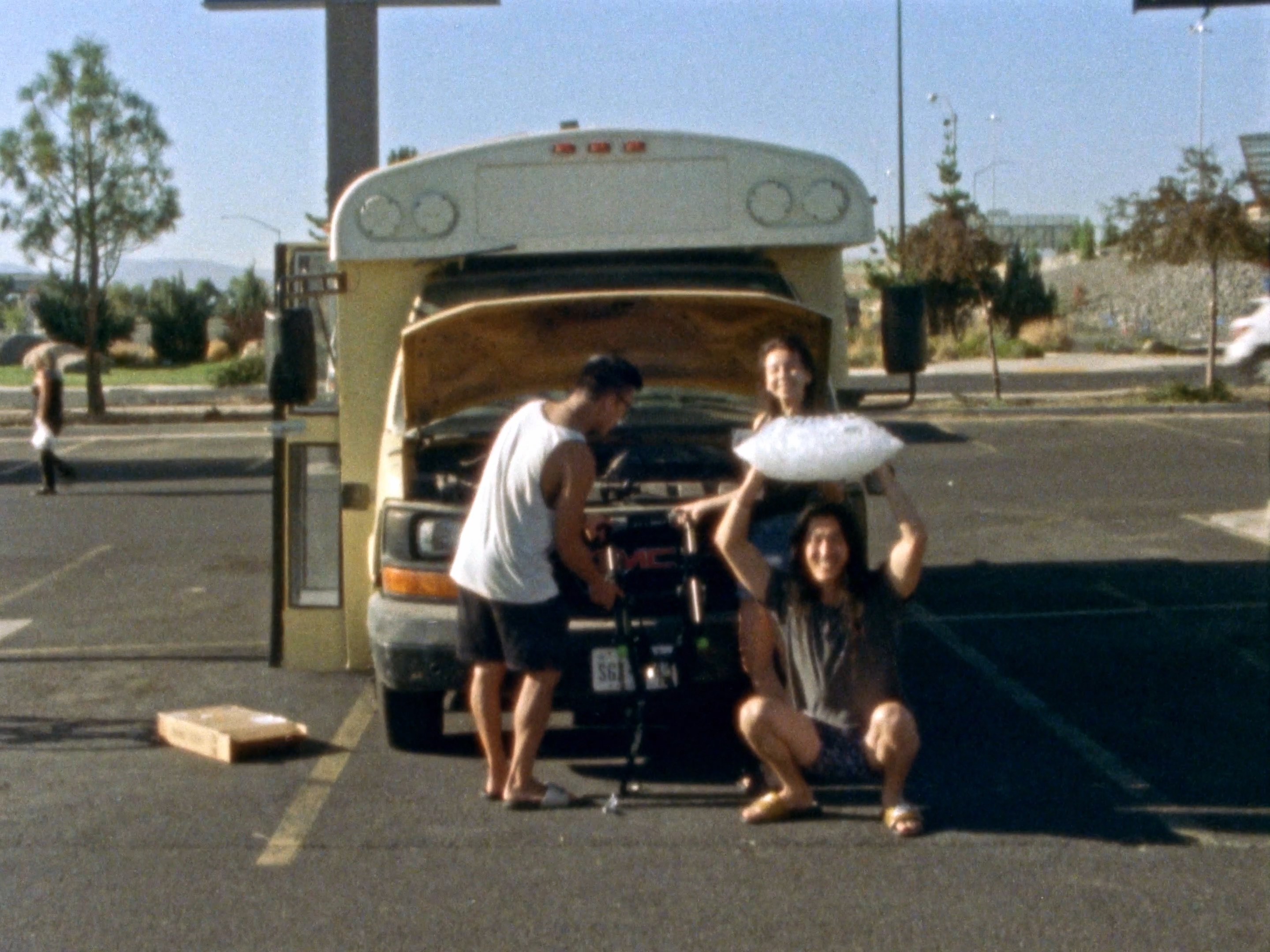
Justin Aversano: Moments of the Unknown’ is a 366-day Super 8 portrait series where I traveled to all seven continents, capturing 10-second portraits of people from diverse cultures. The inspiration was to create a film that celebrates humanity’s unity and diversity, especially after the pandemic, when the future felt uncertain. The project evolved organically, driven by intuition and a sense of presence, rather than planning every detail in advance. It became a journey of trusting the process, meeting beautiful people, and ultimately creating a film about the essence of humanity.
OpenSea: What does your creative process look like now compared to when you were first photographing for physical exhibitions?
Justin Aversano: My creative process has remained true to its roots, but there’s now a greater intentionality when considering the blockchain and the longevity of my work. In the past, I focused on physical editions for galleries, but now I think about digital archiving and the permanence it offers. For example, with my project ‘Cognition,’ a mixed media collage series, I realized how physical artworks can break down over time, while their digitized versions remain pristine. Similarly, with ‘Smoke and Mirrors,’ I started with silkscreen prints and then digitized them into NFTs, creating a hybrid process that honors both the original material and the future of digital permanence. It’s a fascinating juxtaposition that really changes how we think about art and time.
OpenSea: How do you see the future of photography evolving on-chain over the next few years?
Justin Aversano: I think we’ll start to see many more photographers embracing NFTs, much like we saw in 2021. Even now, there’s still a lot of untapped potential for photography on-chain. As AI and AI-generated imagery become more prevalent, I believe there will be a renaissance of interest in authentic, real photography. People will crave the truth and reality that traditional photography offers, and we might even see new ways of verifying what’s real versus what’s AI-generated. This could lead to a whole new appreciation for pre-AI photography and innovations in how we capture and verify images in the future.
OpenSea: Finally, what gives you the most hope (or the most hesitation) about the future of web3 and NFTs as a whole?
Justin Aversano: It’s hard not to feel hopeful after experiencing so much support in the digital space. In the traditional fine art world, galleries and exhibitions didn’t always provide that same level of connection and response. With web3 and NFTs, there’s this incredible potential for archival, distribution, and forming new connections with audiences across the globe. Instead of only meeting collectors in person at galleries, you can now connect with someone who loves your work with just a click, no matter where they are in the world. This ability to build a network that’s both local and global is something we’ve never really seen before in the art world, and that’s what gives me so much confidence and excitement for the future of digital art.


.avif)
.png)
.png)
.png)
.png)
.png)