OpenSea Mobile is live: Trade everything, together.
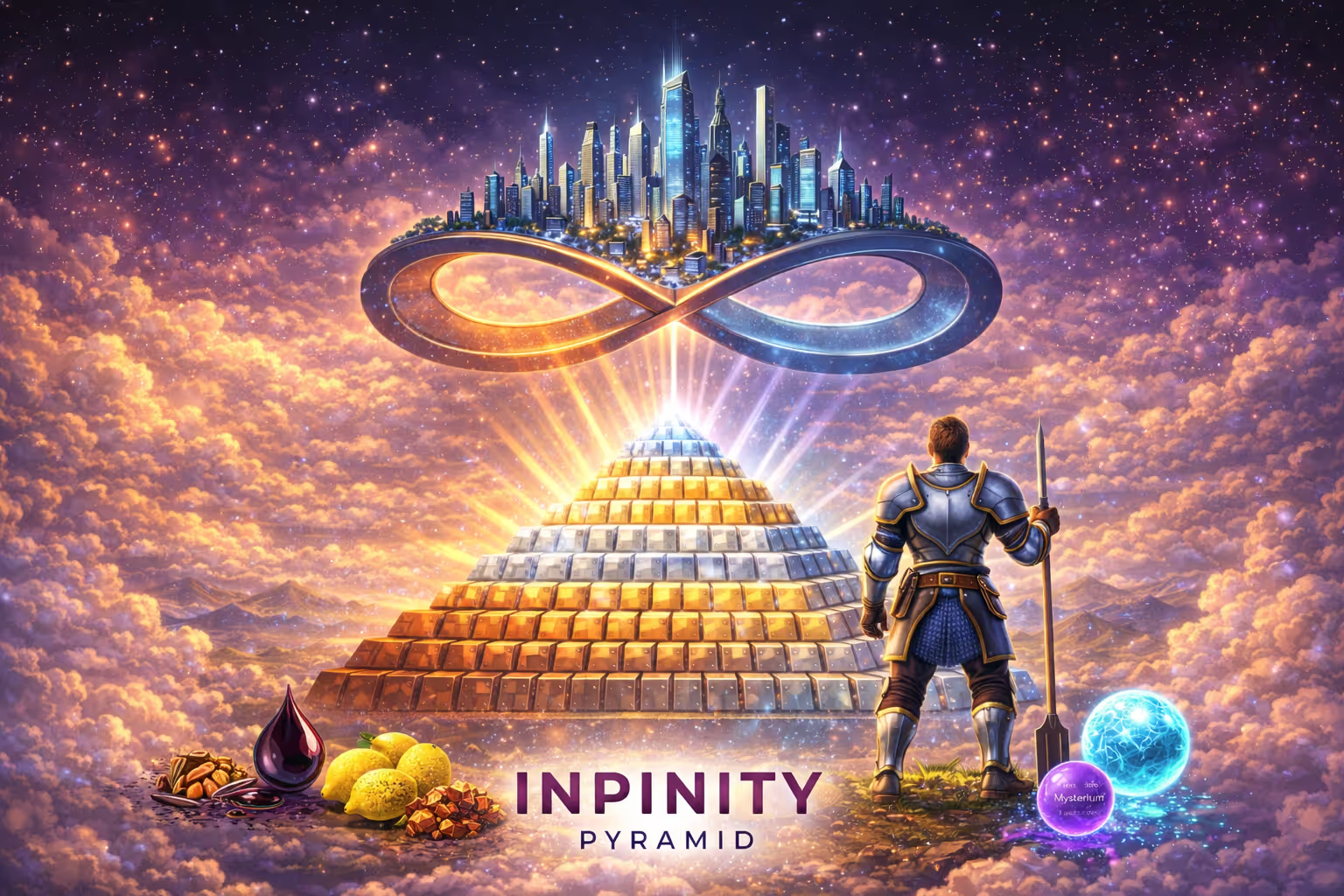
Inpinity Pyramid is the ERC-721 block collection at the core of the Inpinity ecosystem on Base. Each NFT represents a position-based block within a larger playable pyramid structure, combining collectibility, strategy, and long-term utility.

The first 100 rows form the Genesis layer of Inpinity Pyramid. These early blocks mark the beginning of the playable structure and create the first territory for farming, strategy, and ecosystem growth.
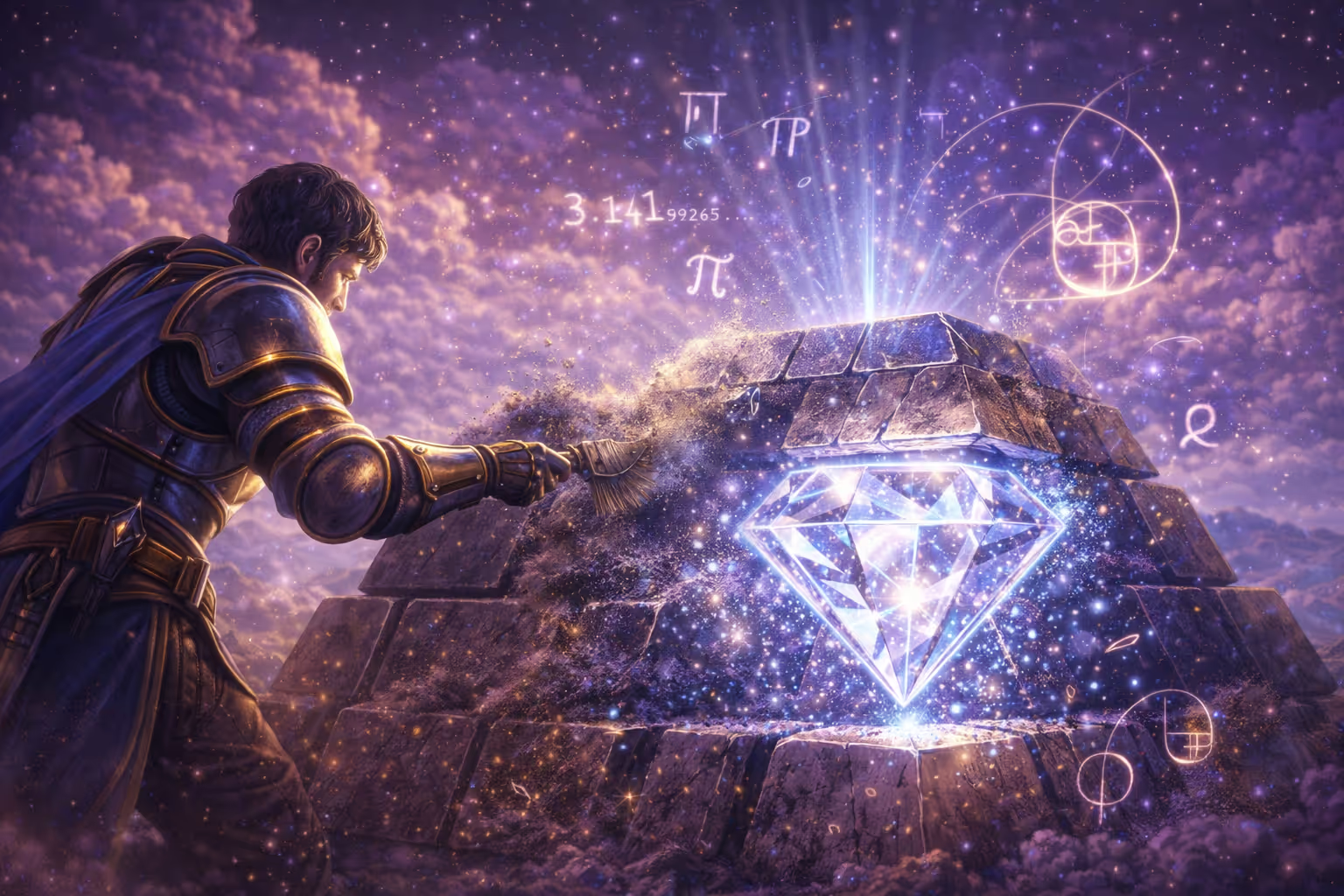
Through reveal mechanics, blocks may uncover hidden Pi and Phi traits, rarity, and mirrored relationships. This gives each position a deeper identity within the pyramid and turns ownership into a blend of collection, mathematics, and strategy.

Blocks are productive and strategic assets. They can generate on-chain resources through farming, become targets in pirate raids, and gain importance through defense, positioning, and future partnership mechanics.

Inpinity Pyramid is designed to grow over time toward a much larger structure of up to 1024 rows. As the ecosystem expands, blocks are intended to connect farming, territory, progression, and the future city-scale systems of Inpinity City.
Inpinity Pyramid is the ERC-721 block collection at the core of the Inpinity ecosystem on Base. Each NFT represents a position-based block inside a larger playable pyramid structure and is designed to connect collectibility, strategy, and long-term utility.
Each block represents a fixed position in the pyramid, defined by its row and column. This makes every NFT both a collectible and a strategic coordinate inside the wider ecosystem.
The Genesis phase is the starting layer of Inpinity Pyramid and begins with the first 100 rows. These rows form the initial playable territory of the ecosystem, while the broader pyramid is designed to expand over time toward 1024 rows.
Within the first 100 rows, there are only 7 Diamond Blocks according to the verified Genesis distribution used for the project. This makes them the rarest top-tier positions in the early layer of Inpinity Pyramid.
Blocks can be minted through three paths: with ETH, with INPI, or with a mixed payment path combining both. The contract enforces valid pyramid positions and prevents minting an already owned block.
Blocks differ by position, reveal state, rarity, Pi and Phi traits, and mirrored relationships. After reveal, a block can expose hidden mathematical and strategic identity beyond its raw coordinates.
Reveal is the process through which a block uncovers hidden Pi and Phi values and final rarity-linked identity. Before reveal, a block is only a position; after reveal, it becomes a more distinctive strategic and collectible asset.
Some blocks can become linked to their mirrored counterpart in the pyramid structure. When both positions exist, the contract can register that relationship, adding another layer of symmetry and collectible meaning.
Yes. Inpinity Blocks are designed as productive and strategic assets. They are the positions through which farming, defense, raids, and future territorial mechanics are built.
Yes. Within the wider Inpinity ecosystem, blocks are intended to produce on-chain resources through farming systems. Those resources support progression, competition, and future building mechanics.
Yes. Raid and pirate systems are part of the Inpinity game layer. The attack design is block-based, meaning specific attacker blocks can target rival positions under the gameplay rules.
Position is the foundation of strategy in Inpinity Pyramid. A block is not just an image or collectible token — it is a location inside the structure, with implications for rarity, symmetry, farming, defense, and later expansion systems.
The current design supports expansion up to 1024 rows. The initial live phase starts at 100 rows, and further growth is intended to happen over time.
No. Inpinity Pyramid is meant to be the territorial and structural layer of a larger ecosystem. The blocks connect collectible ownership with gameplay utility, resource production, strategic competition, and future city-scale systems.
After Genesis, the broader vision is expansion: more rows, more territorial depth, stronger farming and raid systems, partnerships, and the transition into the future worldbuilding layer of Inpinity City. This is the next major ecosystem direction, based on the block structure established by the pyramid.
Inpinity City is the next major stage because it turns ownership and resources into a broader worldbuilding system. In that phase, blocks are intended to matter not only as positions inside the pyramid, but also as part of a larger expansion economy tied to construction, upgrades, and progression.