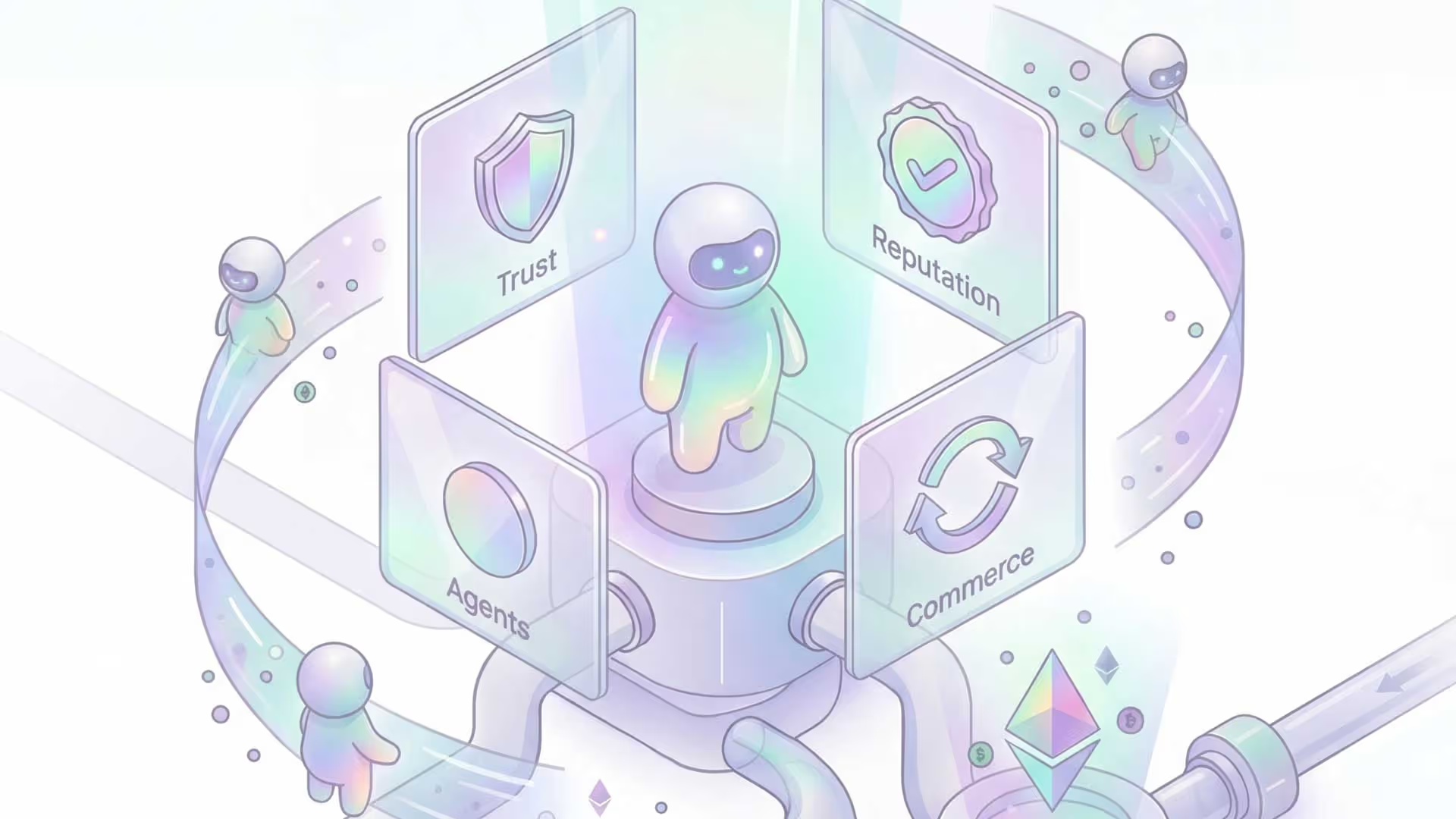


At the core of ERC-8004 is the use of ERC-721 NFTs as on-chain identities for autonomous agents. Each agent mints a unique NFT that functions as a portable, ownable “passport,” anchoring its identity to Ethereum. The token’s metadata (via tokenURI) points to structured agent information—such as capabilities, endpoints, and supported protocols—making the NFT more than a collectible: it becomes a verifiable identity layer. Because it follows ERC-721, it’s immediately compatible with wallets, explorers, and NFT infrastructure.

Unlike profile-picture projects or art collections, ERC-8004 NFTs are functional identity primitives. They can be transferred, delegated, or managed by different operators, enabling flexible custody models for AI agents or services. This composability means agent identities can plug into existing NFT tooling—marketplaces, indexing APIs, and portfolio trackers—while representing something dynamic and utility-driven rather than static media. In essence, ERC-8004 turns NFTs into programmable identity containers.

Because the NFT is the canonical identifier for the agent, reputation and validation records attach to the token itself, not just a wallet address. As agents perform tasks and receive attestations, their history becomes queryable and portable across applications. If ownership changes, the reputation can remain transparently linked to the NFT, preserving continuity of trust. This model transforms NFTs from simple ownership records into long-lived, trust-bearing digital entities within an open agent economy.




At the core of ERC-8004 is the use of ERC-721 NFTs as on-chain identities for autonomous agents. Each agent mints a unique NFT that functions as a portable, ownable “passport,” anchoring its identity to Ethereum. The token’s metadata (via tokenURI) points to structured agent information—such as capabilities, endpoints, and supported protocols—making the NFT more than a collectible: it becomes a verifiable identity layer. Because it follows ERC-721, it’s immediately compatible with wallets, explorers, and NFT infrastructure.

Unlike profile-picture projects or art collections, ERC-8004 NFTs are functional identity primitives. They can be transferred, delegated, or managed by different operators, enabling flexible custody models for AI agents or services. This composability means agent identities can plug into existing NFT tooling—marketplaces, indexing APIs, and portfolio trackers—while representing something dynamic and utility-driven rather than static media. In essence, ERC-8004 turns NFTs into programmable identity containers.

Because the NFT is the canonical identifier for the agent, reputation and validation records attach to the token itself, not just a wallet address. As agents perform tasks and receive attestations, their history becomes queryable and portable across applications. If ownership changes, the reputation can remain transparently linked to the NFT, preserving continuity of trust. This model transforms NFTs from simple ownership records into long-lived, trust-bearing digital entities within an open agent economy.


At the core of ERC-8004 is the use of ERC-721 NFTs as on-chain identities for autonomous agents. Each agent mints a unique NFT that functions as a portable, ownable “passport,” anchoring its identity to Ethereum. The token’s metadata (via tokenURI) points to structured agent information—such as capabilities, endpoints, and supported protocols—making the NFT more than a collectible: it becomes a verifiable identity layer. Because it follows ERC-721, it’s immediately compatible with wallets, explorers, and NFT infrastructure.

Unlike profile-picture projects or art collections, ERC-8004 NFTs are functional identity primitives. They can be transferred, delegated, or managed by different operators, enabling flexible custody models for AI agents or services. This composability means agent identities can plug into existing NFT tooling—marketplaces, indexing APIs, and portfolio trackers—while representing something dynamic and utility-driven rather than static media. In essence, ERC-8004 turns NFTs into programmable identity containers.

Because the NFT is the canonical identifier for the agent, reputation and validation records attach to the token itself, not just a wallet address. As agents perform tasks and receive attestations, their history becomes queryable and portable across applications. If ownership changes, the reputation can remain transparently linked to the NFT, preserving continuity of trust. This model transforms NFTs from simple ownership records into long-lived, trust-bearing digital entities within an open agent economy.

