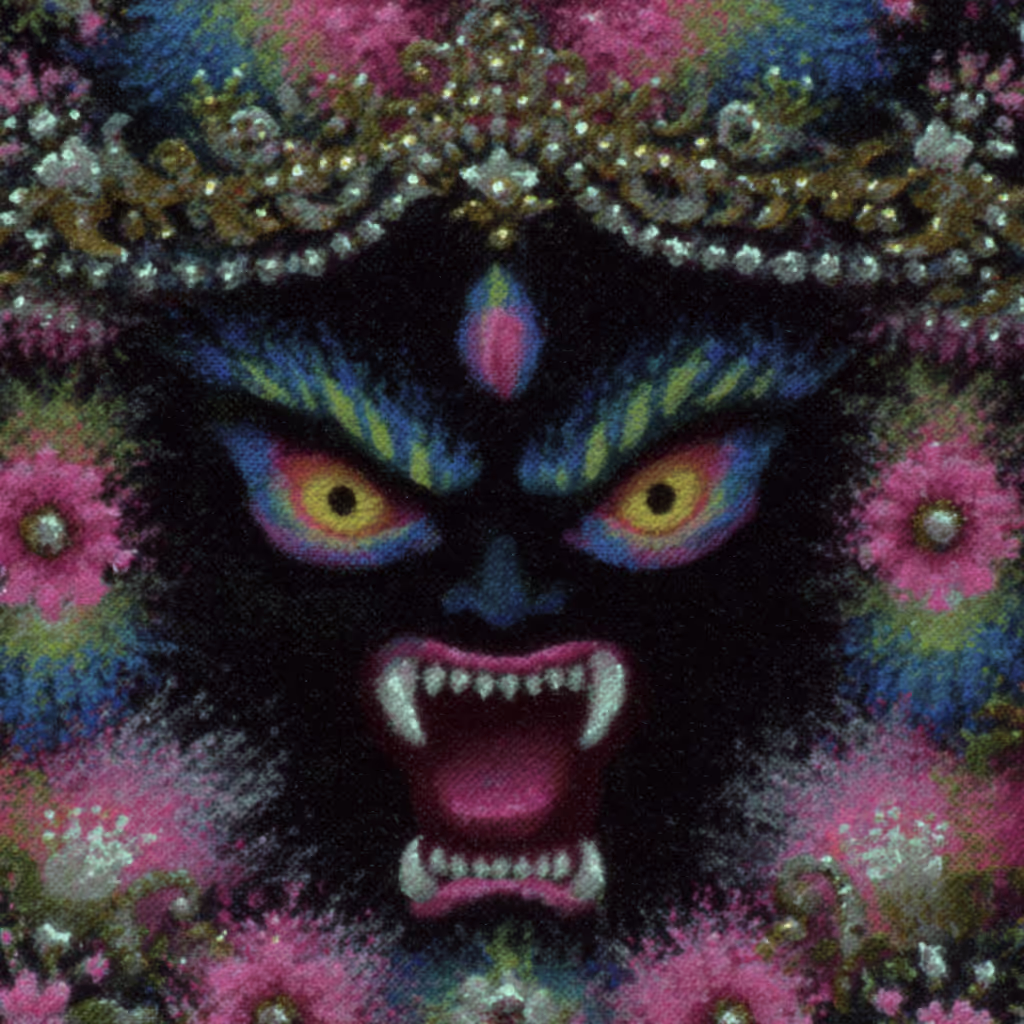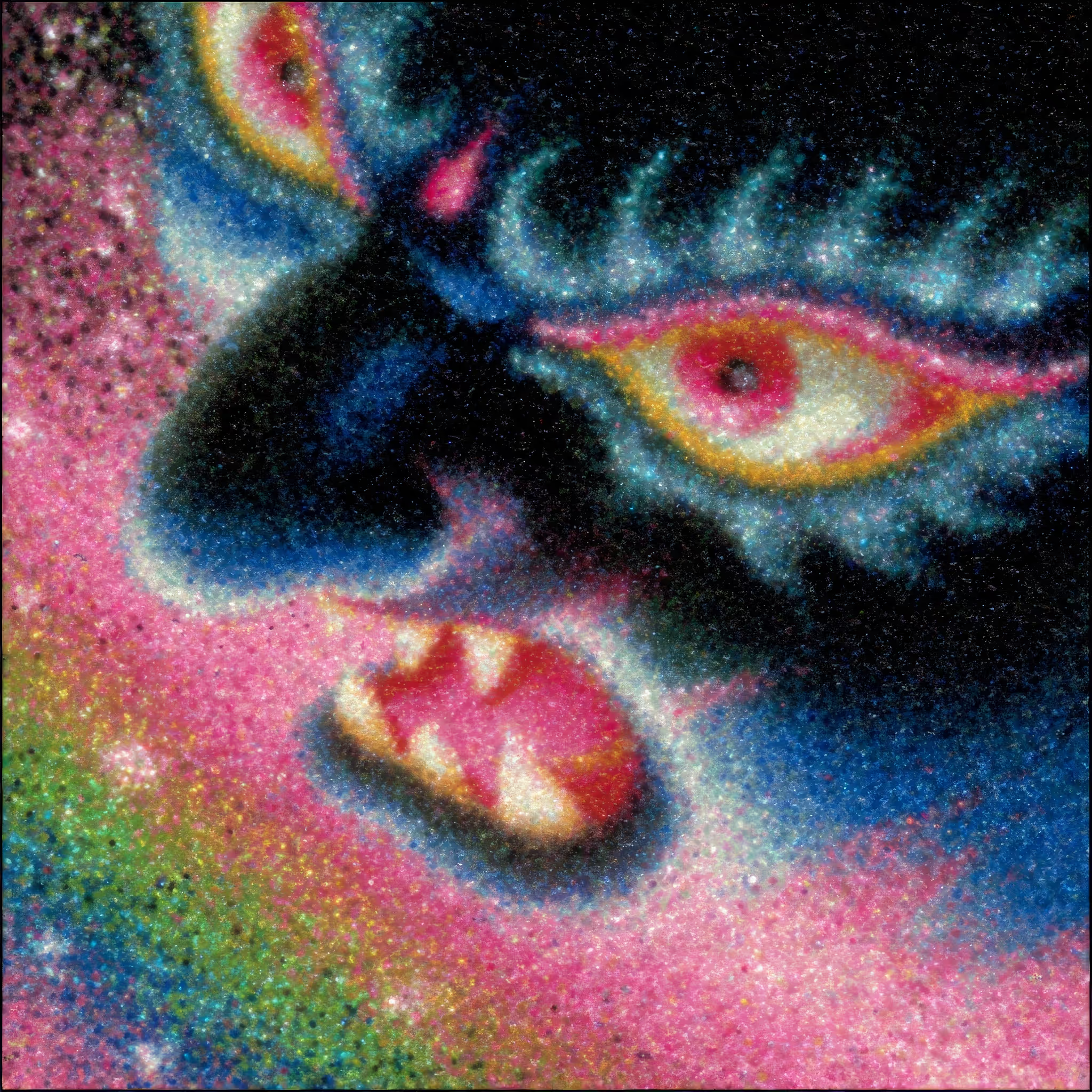
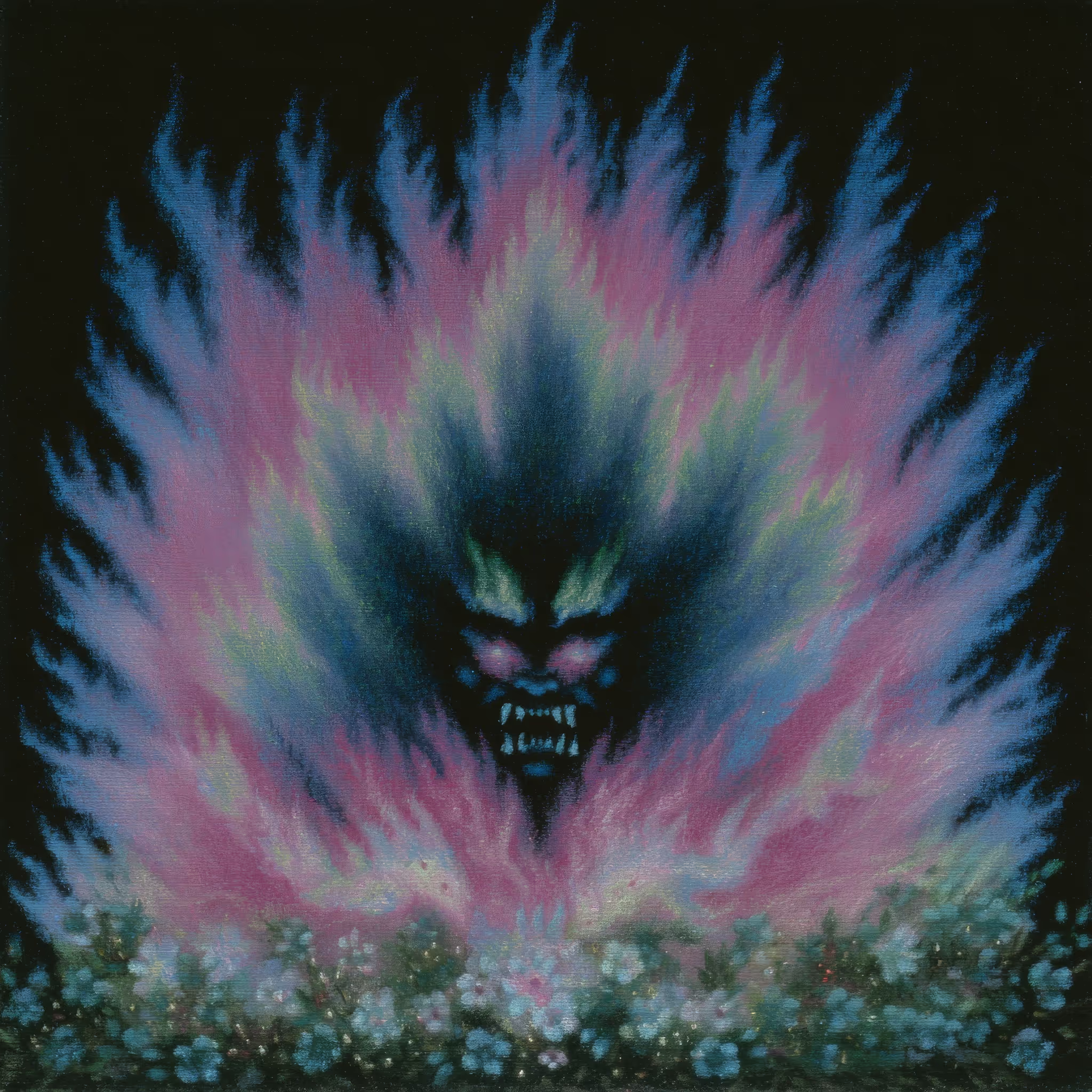
Each Prismatic Daimon Mask is a psychedelic apparition: a radiant face framed by blossoms of neon fire. Electric blues melt into ultraviolet violets; emeralds detonate into incandescent golds. Eyes pierce the void behind every visage, inviting and unsettling in a single glance. Gathered together, the masks form a cracked stained‑glass window onto the collective psyche, a rogue pantheon where goddess, monster, trickster, and oracle coexist in shimmering equilibrium, asking the viewer to finish their half‑spoken myth.
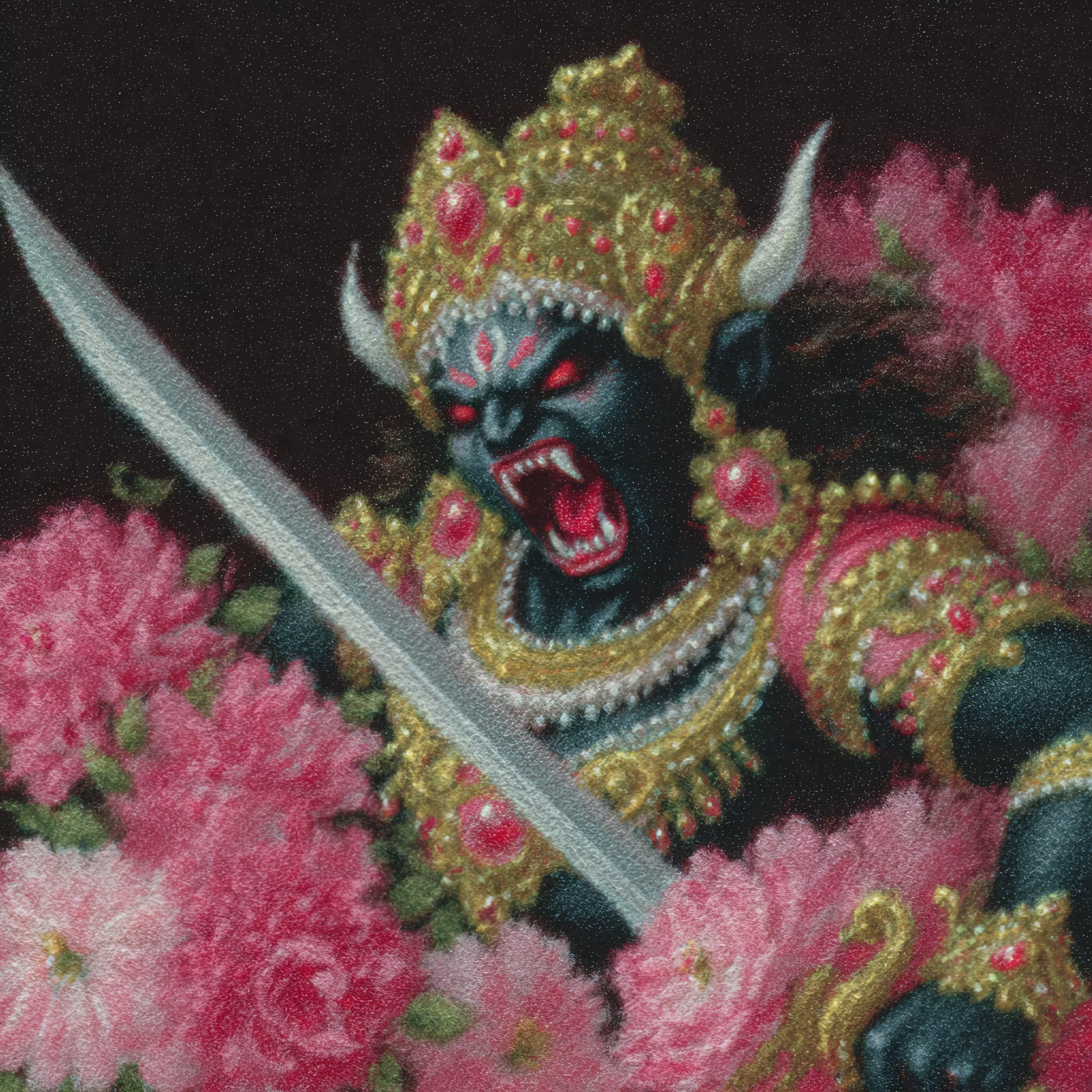
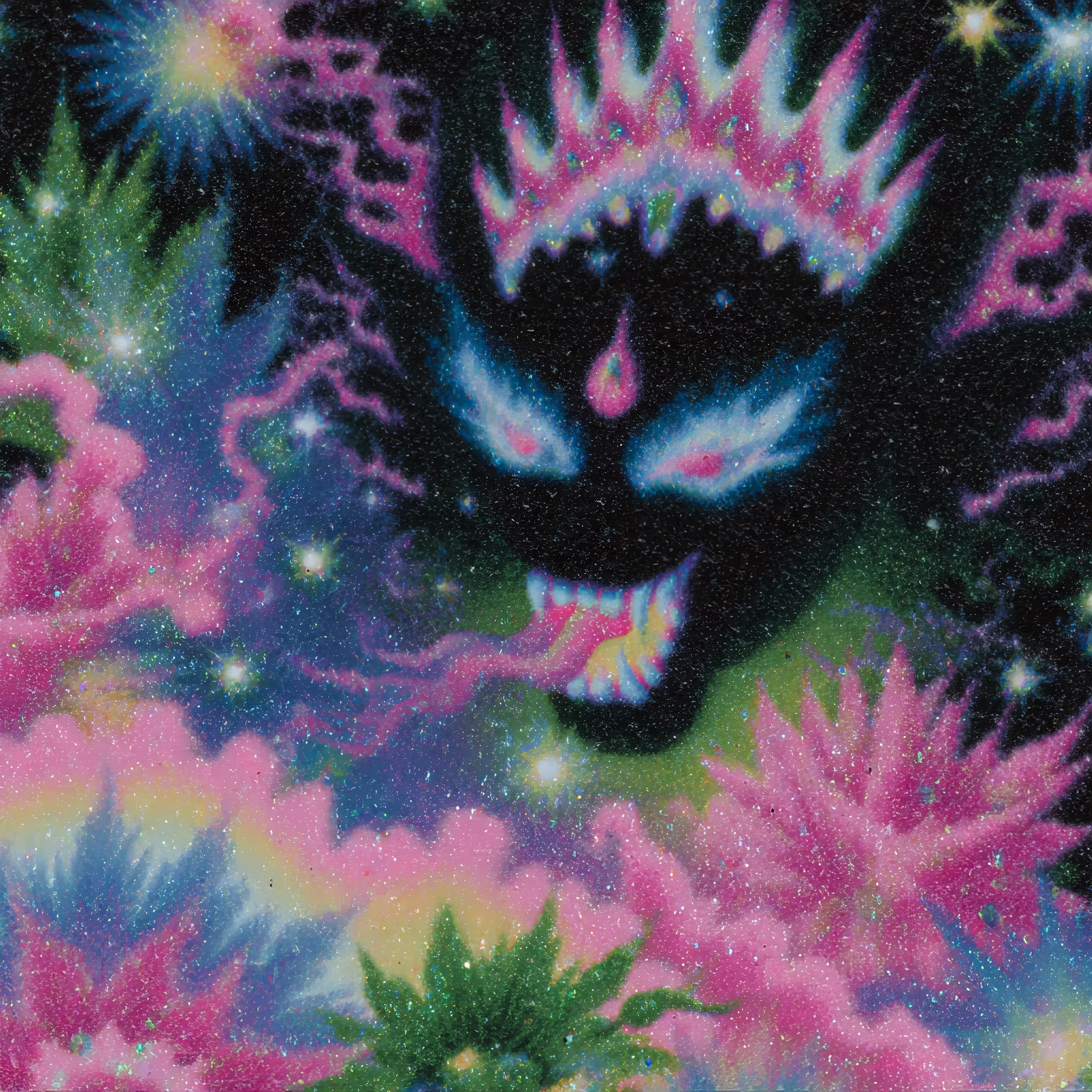
Each Prismatic Daimon Mask is a psychedelic apparition: a radiant face framed by blossoms of neon fire. Electric blues melt into ultraviolet violets; emeralds detonate into incandescent golds. Eyes pierce the void behind every visage, inviting and unsettling in a single glance. Gathered together, the masks form a cracked stained‑glass window onto the collective psyche, a rogue pantheon where goddess, monster, trickster, and oracle coexist in shimmering equilibrium, asking the viewer to finish their half‑spoken myth.
In Liber Novus (The Red Book) Carl G. Jung recorded his plunge into the unconscious, confronting dream‑figures that later inspired his theories of archetypes, individuation, and the collective unconscious. Those painted visions were not aesthetic flourishes but field notes from an interior underworld, evidence that symbolic images can guide psychic evolution when reason falters.

Central to Jung’s journey is the Shadow: the repressed, chaotic double each of us drags behind polite identity. The masks make that invisible companion visible. Their snarls and halos, fangs and floral crowns, externalize everything we fear or deny, turning horror into luminous confession. By meeting these daimonic eyes, the viewer rehearses the alchemy of accepting the forbidden self and drawing its raw energy into creative use.

The Greek daimon is not a devil but a tutelary spirit, a messenger between mortal and divine. Each mask functions as such a guardian, distilling archetypal roles, the Warrior, the Oracle, the Wild Childl into vivid talismans. Like ritual masks in ancient ceremonies, they bridge worlds, letting contemporary souls converse with timeless myth while bathing in prismatic afterglow.


In an anxious, data‑saturated era we long for symbols that speak in primordial tongues. The Prismatic Daimon Masks satisfy that hunger, offering collectors objects that double as psycho‑spiritual mirrors. To live with one is to host a vivid reminder that creativity, terror, and transcendence share the same neural circuitry; revelation is always one glare deeper than comfort.

Curating this series is akin to staging a dream sequence. Visitors pass from optical seduction into introspection, exiting with a renewed sense that wholeness grows only from embracing contradiction. Owning a mask is thus more than acquisition; it is stewardship of a living archetype, an ongoing dialogue between the patron’s evolving self and the radiant daemon staring back.

Curating this series is akin to staging a dream sequence. Visitors pass from optical seduction into introspection, exiting with a renewed sense that wholeness grows only from embracing contradiction. Owning a mask is thus more than acquisition; it is stewardship of a living archetype, an ongoing dialogue between the patron’s evolving self and the radiant daemon staring back.


Each Prismatic Daimon Mask is a psychedelic apparition: a radiant face framed by blossoms of neon fire. Electric blues melt into ultraviolet violets; emeralds detonate into incandescent golds. Eyes pierce the void behind every visage, inviting and unsettling in a single glance. Gathered together, the masks form a cracked stained‑glass window onto the collective psyche, a rogue pantheon where goddess, monster, trickster, and oracle coexist in shimmering equilibrium, asking the viewer to finish their half‑spoken myth.
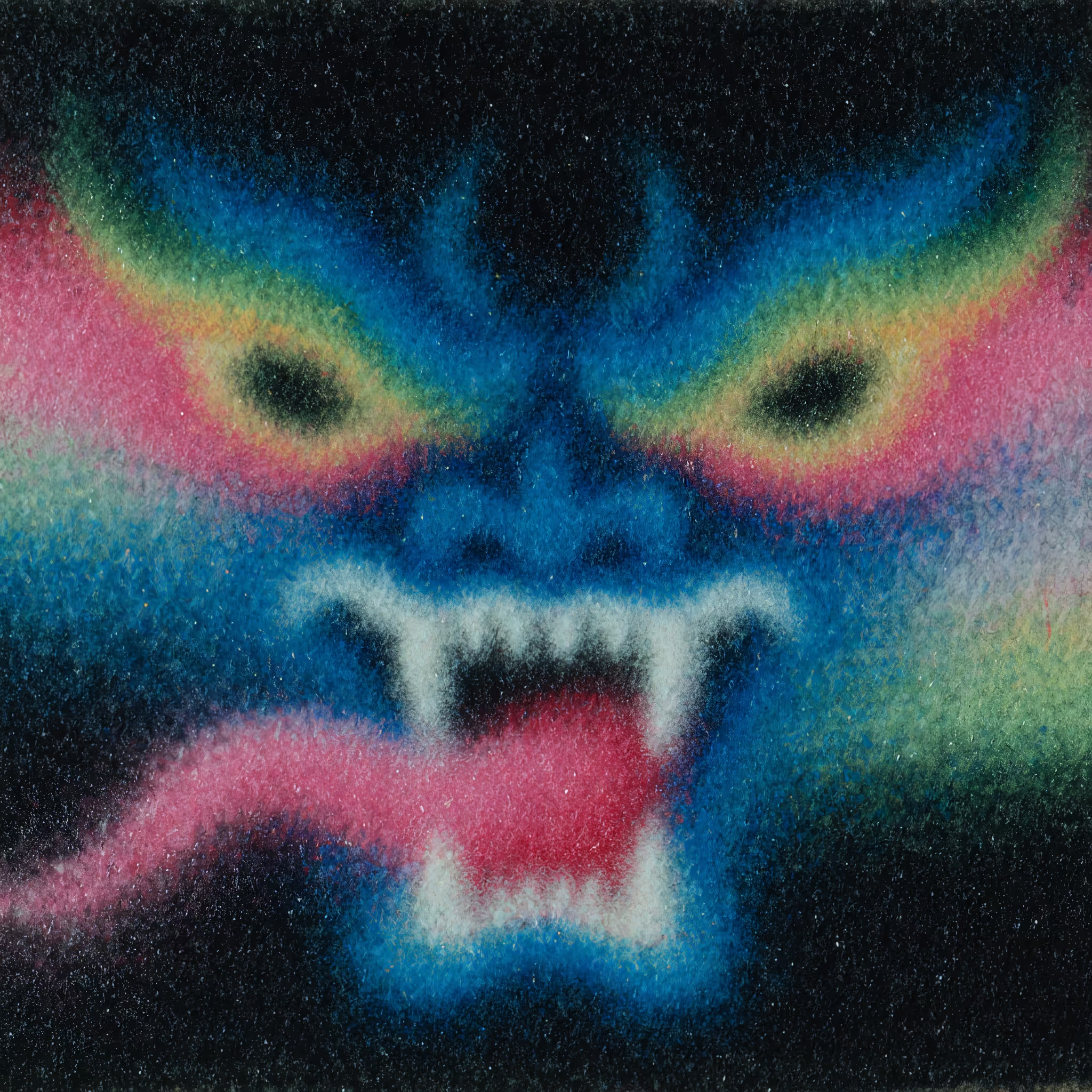
Each Prismatic Daimon Mask is a psychedelic apparition: a radiant face framed by blossoms of neon fire. Electric blues melt into ultraviolet violets; emeralds detonate into incandescent golds. Eyes pierce the void behind every visage, inviting and unsettling in a single glance. Gathered together, the masks form a cracked stained‑glass window onto the collective psyche, a rogue pantheon where goddess, monster, trickster, and oracle coexist in shimmering equilibrium, asking the viewer to finish their half‑spoken myth.

In Liber Novus (The Red Book) Carl G. Jung recorded his plunge into the unconscious, confronting dream‑figures that later inspired his theories of archetypes, individuation, and the collective unconscious. Those painted visions were not aesthetic flourishes but field notes from an interior underworld, evidence that symbolic images can guide psychic evolution when reason falters.

Central to Jung’s journey is the Shadow: the repressed, chaotic double each of us drags behind polite identity. The masks make that invisible companion visible. Their snarls and halos, fangs and floral crowns, externalize everything we fear or deny, turning horror into luminous confession. By meeting these daimonic eyes, the viewer rehearses the alchemy of accepting the forbidden self and drawing its raw energy into creative use.

The Greek daimon is not a devil but a tutelary spirit, a messenger between mortal and divine. Each mask functions as such a guardian, distilling archetypal roles, the Warrior, the Oracle, the Wild Childl into vivid talismans. Like ritual masks in ancient ceremonies, they bridge worlds, letting contemporary souls converse with timeless myth while bathing in prismatic afterglow.


In an anxious, data‑saturated era we long for symbols that speak in primordial tongues. The Prismatic Daimon Masks satisfy that hunger, offering collectors objects that double as psycho‑spiritual mirrors. To live with one is to host a vivid reminder that creativity, terror, and transcendence share the same neural circuitry; revelation is always one glare deeper than comfort.

Curating this series is akin to staging a dream sequence. Visitors pass from optical seduction into introspection, exiting with a renewed sense that wholeness grows only from embracing contradiction. Owning a mask is thus more than acquisition; it is stewardship of a living archetype, an ongoing dialogue between the patron’s evolving self and the radiant daemon staring back.

Curating this series is akin to staging a dream sequence. Visitors pass from optical seduction into introspection, exiting with a renewed sense that wholeness grows only from embracing contradiction. Owning a mask is thus more than acquisition; it is stewardship of a living archetype, an ongoing dialogue between the patron’s evolving self and the radiant daemon staring back.

Each Prismatic Daimon Mask is a psychedelic apparition: a radiant face framed by blossoms of neon fire. Electric blues melt into ultraviolet violets; emeralds detonate into incandescent golds. Eyes pierce the void behind every visage, inviting and unsettling in a single glance. Gathered together, the masks form a cracked stained‑glass window onto the collective psyche, a rogue pantheon where goddess, monster, trickster, and oracle coexist in shimmering equilibrium, asking the viewer to finish their half‑spoken myth.

Each Prismatic Daimon Mask is a psychedelic apparition: a radiant face framed by blossoms of neon fire. Electric blues melt into ultraviolet violets; emeralds detonate into incandescent golds. Eyes pierce the void behind every visage, inviting and unsettling in a single glance. Gathered together, the masks form a cracked stained‑glass window onto the collective psyche, a rogue pantheon where goddess, monster, trickster, and oracle coexist in shimmering equilibrium, asking the viewer to finish their half‑spoken myth.
In Liber Novus (The Red Book) Carl G. Jung recorded his plunge into the unconscious, confronting dream‑figures that later inspired his theories of archetypes, individuation, and the collective unconscious. Those painted visions were not aesthetic flourishes but field notes from an interior underworld, evidence that symbolic images can guide psychic evolution when reason falters.

Central to Jung’s journey is the Shadow: the repressed, chaotic double each of us drags behind polite identity. The masks make that invisible companion visible. Their snarls and halos, fangs and floral crowns, externalize everything we fear or deny, turning horror into luminous confession. By meeting these daimonic eyes, the viewer rehearses the alchemy of accepting the forbidden self and drawing its raw energy into creative use.

The Greek daimon is not a devil but a tutelary spirit, a messenger between mortal and divine. Each mask functions as such a guardian, distilling archetypal roles, the Warrior, the Oracle, the Wild Childl into vivid talismans. Like ritual masks in ancient ceremonies, they bridge worlds, letting contemporary souls converse with timeless myth while bathing in prismatic afterglow.


In an anxious, data‑saturated era we long for symbols that speak in primordial tongues. The Prismatic Daimon Masks satisfy that hunger, offering collectors objects that double as psycho‑spiritual mirrors. To live with one is to host a vivid reminder that creativity, terror, and transcendence share the same neural circuitry; revelation is always one glare deeper than comfort.

Curating this series is akin to staging a dream sequence. Visitors pass from optical seduction into introspection, exiting with a renewed sense that wholeness grows only from embracing contradiction. Owning a mask is thus more than acquisition; it is stewardship of a living archetype, an ongoing dialogue between the patron’s evolving self and the radiant daemon staring back.

Curating this series is akin to staging a dream sequence. Visitors pass from optical seduction into introspection, exiting with a renewed sense that wholeness grows only from embracing contradiction. Owning a mask is thus more than acquisition; it is stewardship of a living archetype, an ongoing dialogue between the patron’s evolving self and the radiant daemon staring back.