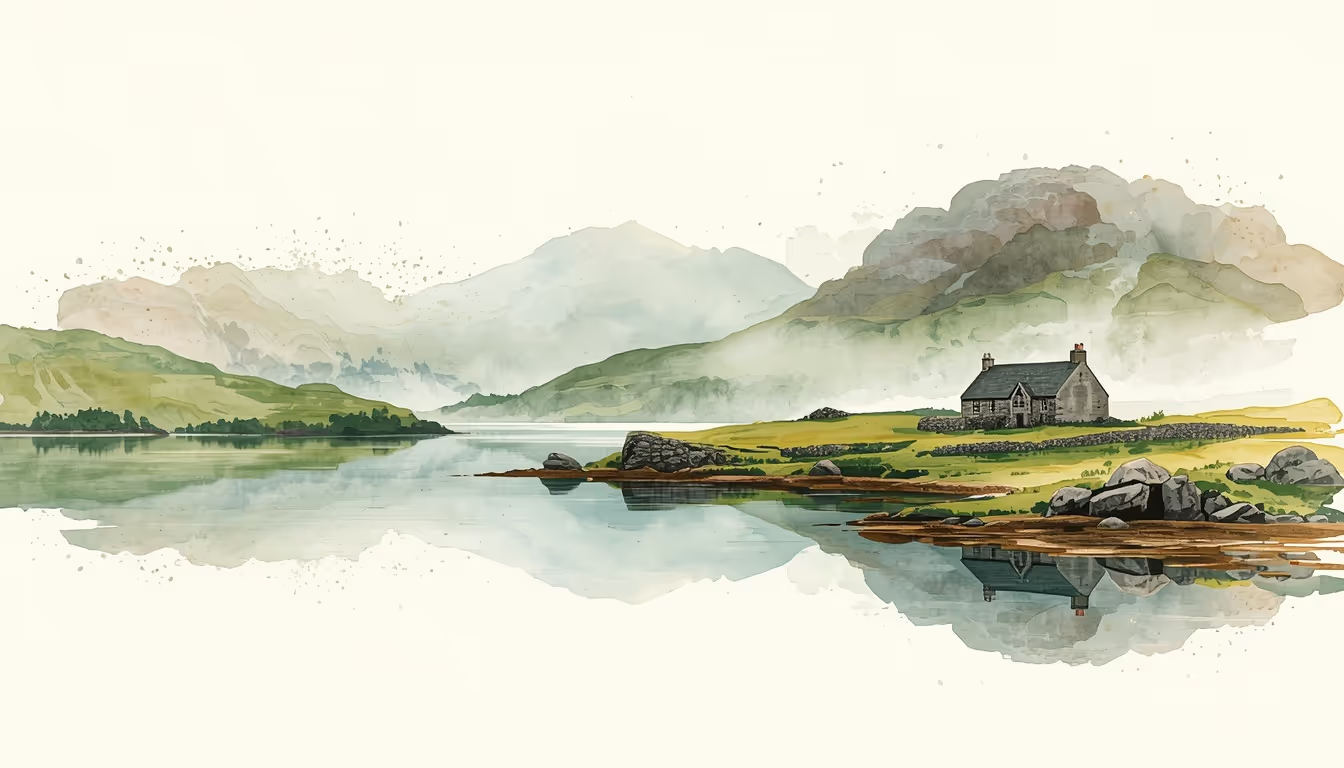
A hand-drawn watercolor postcard collection. 3,333 pieces capturing the world's quietest, most beautiful places — each one sketched in thin ink and layered with soft watercolor, imperfect and felt rather than flawless.
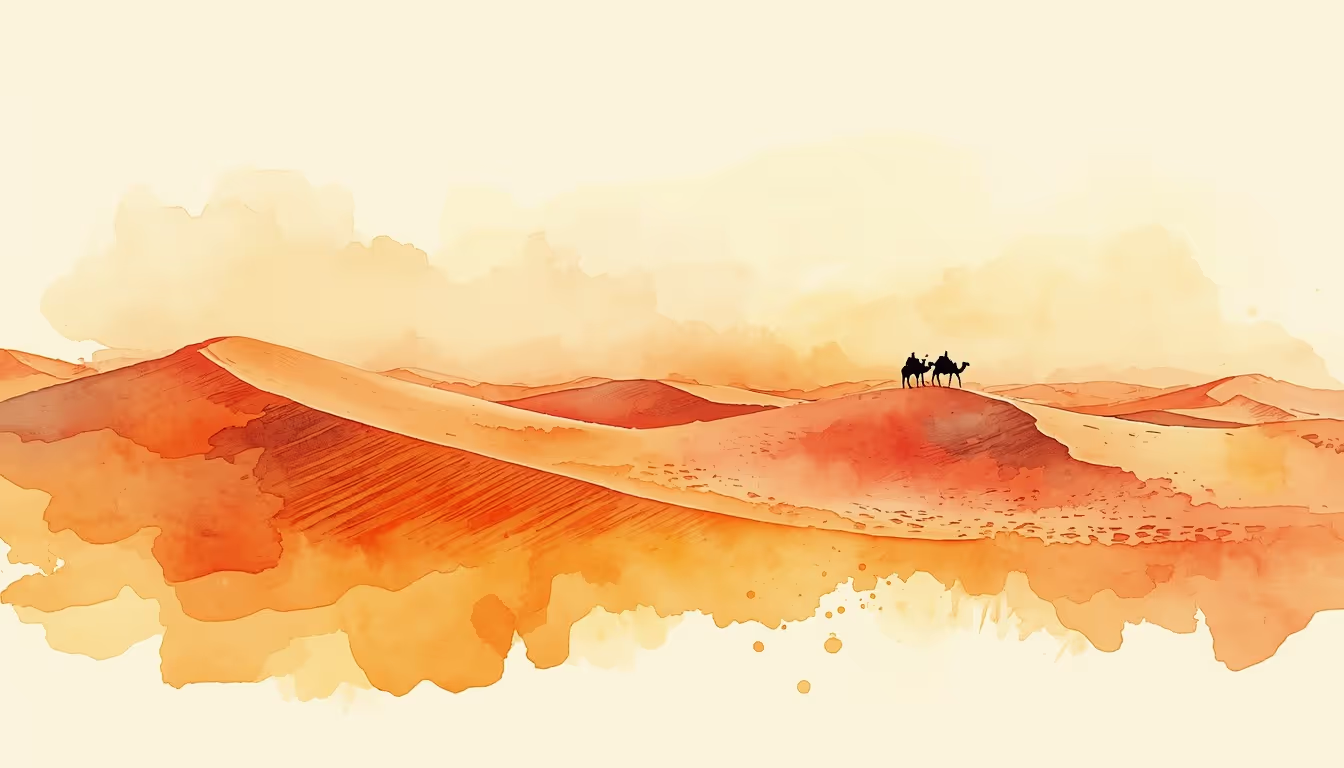
Fūkei (風景) is a Japanese word that translates simply as "landscape." But sit with the characters a little longer and it means more than that. 風 is wind. 景 is light, or the way light falls across a scene. Put together, Fūkei isn't just the place itself. It's the atmosphere around it, the mood a place carries in a particular moment, the thing you'd struggle to explain to someone who wasn't standing there with you.
That's the gap a photograph rarely fills. A photo can show you exactly what a place looked like. It's harder to make it show you what a place felt like.
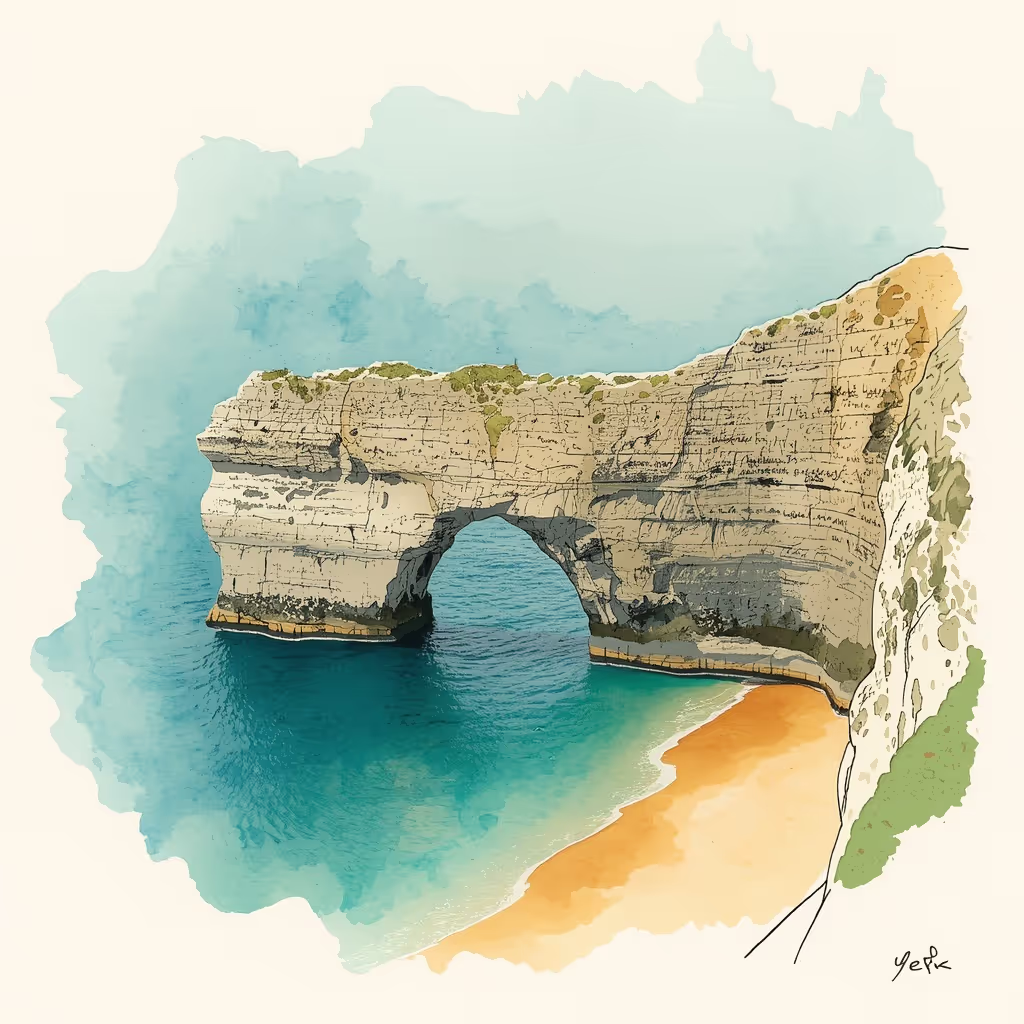
This collection is an attempt to close that gap by hand. Every postcard begins with loose ink outlines, then soft watercolor washes layered on top, imperfect and slightly uncontrolled, the way real paint behaves. Not a copy of a place, but an impression of it.
Fūkei isn't trying to be the biggest collection, or the loudest. The goal is smaller than that, and maybe harder.
I want someone to look at one of these postcards and feel like they've stood somewhere quiet for a second, even if they're just scrolling on their phone. Not impressed. Just briefly, genuinely somewhere else.
Beyond that, I want this to be proof that a collection can be simple and still mean something. No roadmap full of promises, no utility stacked on utility. Just 3,333 places, painted by hand, priced so almost anyone could own a piece of it if it spoke to them.
If Fūkei does its job, it won't just sit in a wallet. It'll be the kind of thing you open every so often, not because it's going up in value, but because it still makes you feel the way it did the first time you saw it.
That's the whole goal. Everything else is just details.
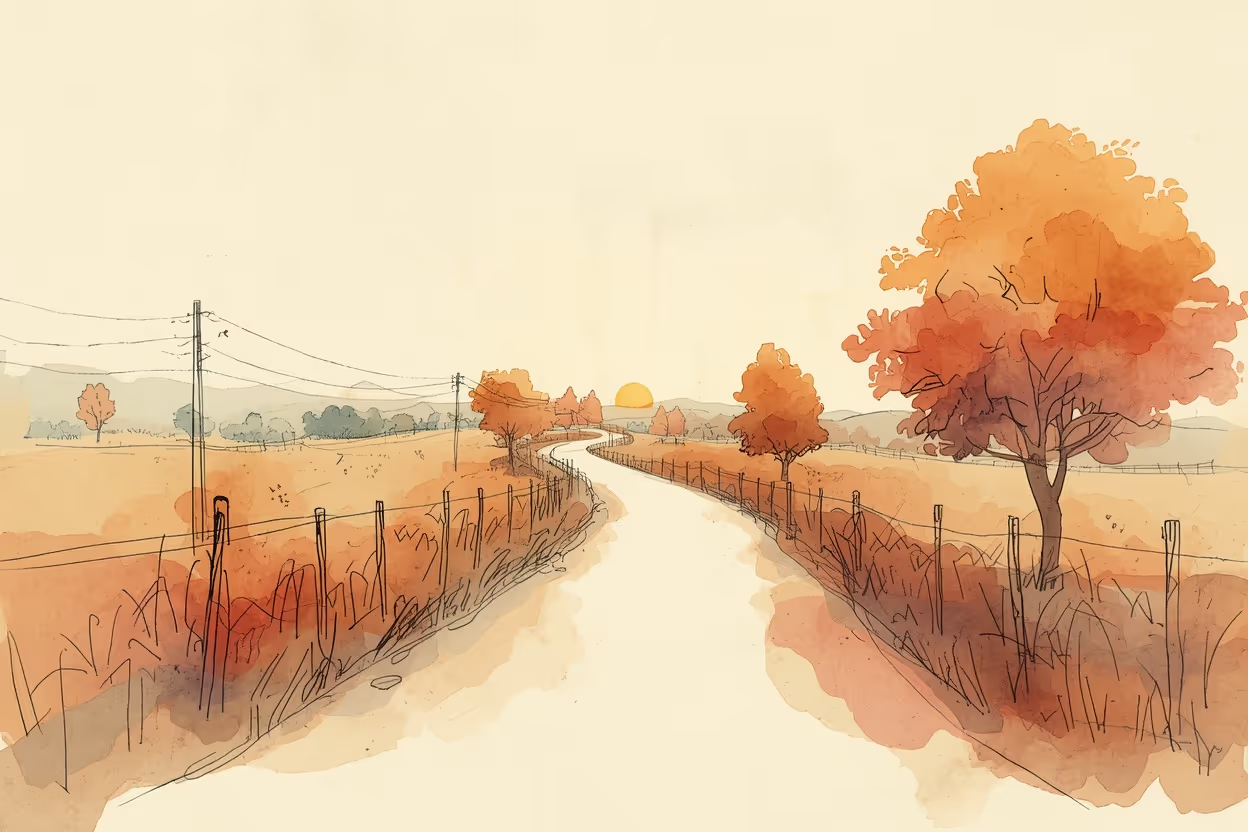
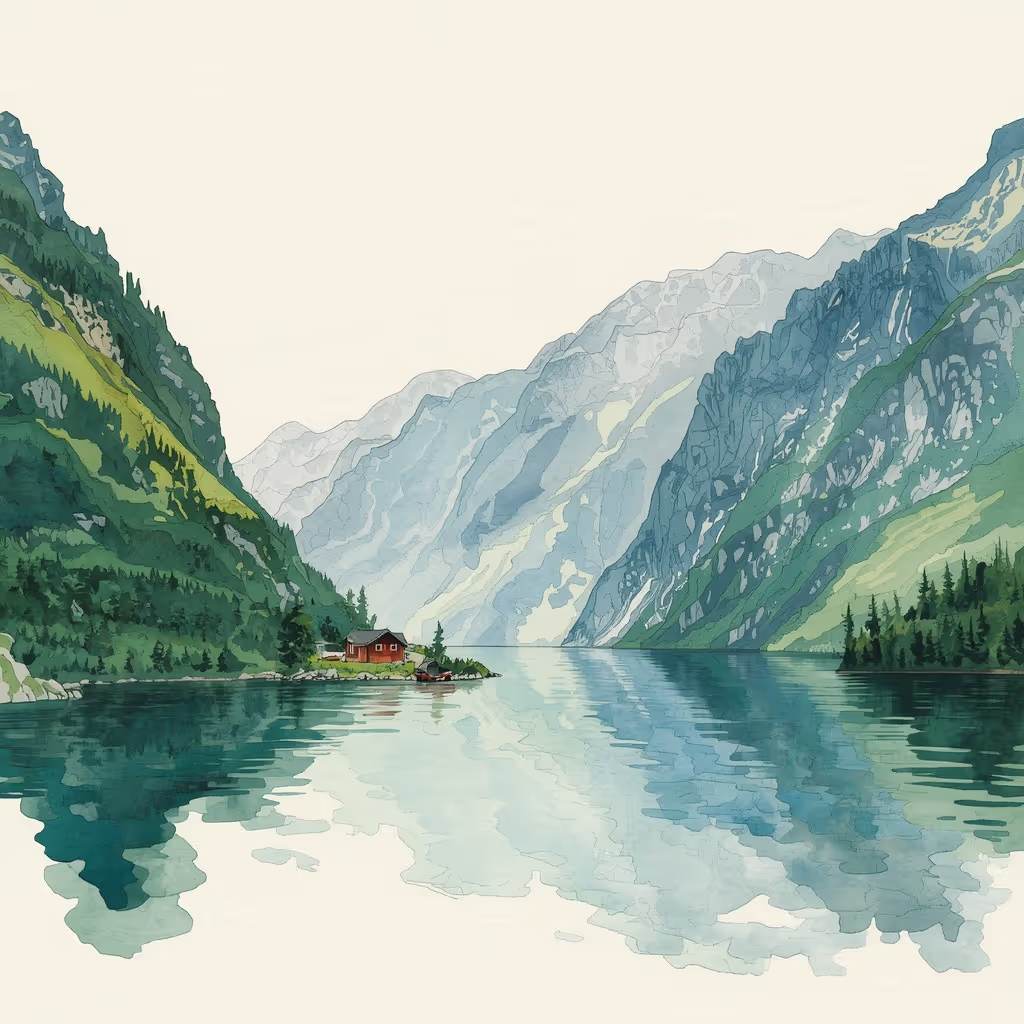


A hand-drawn watercolor postcard collection. 3,333 pieces capturing the world's quietest, most beautiful places — each one sketched in thin ink and layered with soft watercolor, imperfect and felt rather than flawless.

Fūkei (風景) is a Japanese word that translates simply as "landscape." But sit with the characters a little longer and it means more than that. 風 is wind. 景 is light, or the way light falls across a scene. Put together, Fūkei isn't just the place itself. It's the atmosphere around it, the mood a place carries in a particular moment, the thing you'd struggle to explain to someone who wasn't standing there with you.
That's the gap a photograph rarely fills. A photo can show you exactly what a place looked like. It's harder to make it show you what a place felt like.
This collection is an attempt to close that gap by hand. Every postcard begins with loose ink outlines, then soft watercolor washes layered on top, imperfect and slightly uncontrolled, the way real paint behaves. Not a copy of a place, but an impression of it.

Fūkei isn't trying to be the biggest collection, or the loudest. The goal is smaller than that, and maybe harder.
I want someone to look at one of these postcards and feel like they've stood somewhere quiet for a second, even if they're just scrolling on their phone. Not impressed. Just briefly, genuinely somewhere else.
Beyond that, I want this to be proof that a collection can be simple and still mean something. No roadmap full of promises, no utility stacked on utility. Just 3,333 places, painted by hand, priced so almost anyone could own a piece of it if it spoke to them.
If Fūkei does its job, it won't just sit in a wallet. It'll be the kind of thing you open every so often, not because it's going up in value, but because it still makes you feel the way it did the first time you saw it.
That's the whole goal. Everything else is just details.


