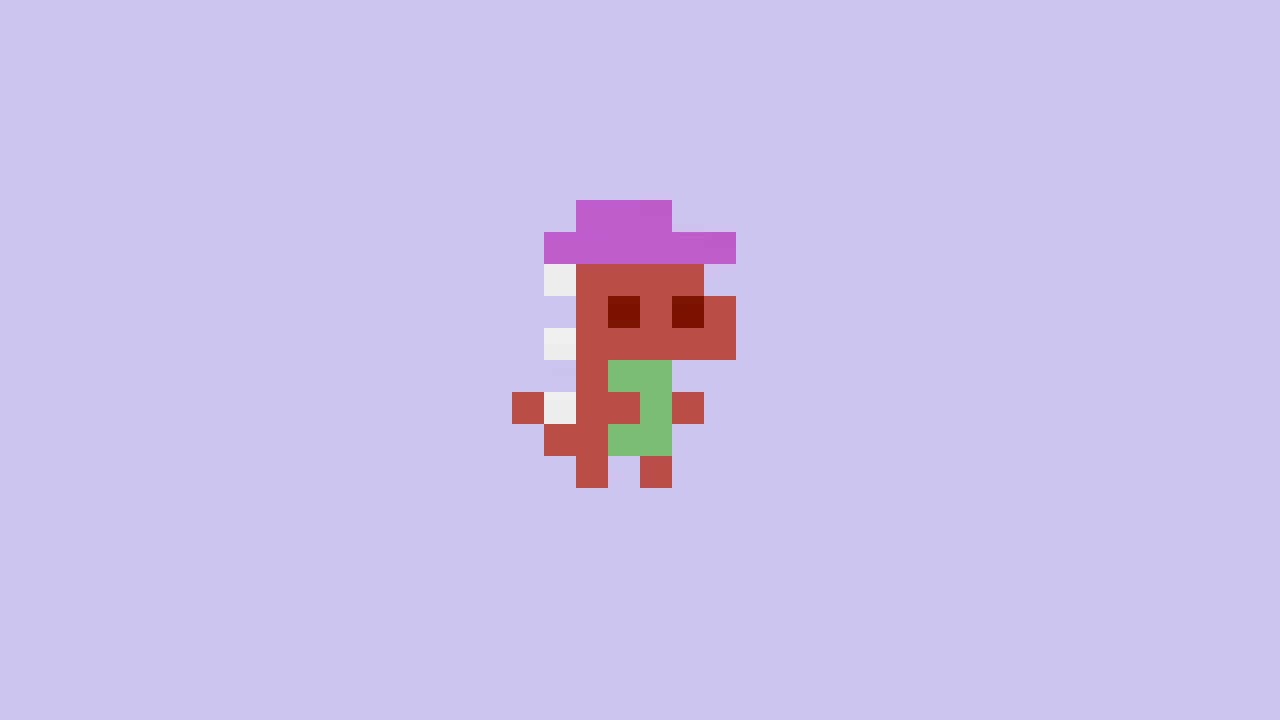


The idea behind on-chain dino projects originates from the Tiny Dinos NFT theme, which first appeared off-chain on other blockchains like Ethereum and Polygon as collectible tiny dinosaur characters with various traits (hats, colors, etc.). From that inspiration came fully on-chain interpretations—where every part of the NFT artwork, including its metadata and image data (often SVG-based), lives entirely on the blockchain itself rather than relying on off-chain storage. This style pushes the creative limits of on-chain storage and generative techniques, an approach seen in derivative collections like “OnChain Dinos” that store imagery and metadata directly on-chain.

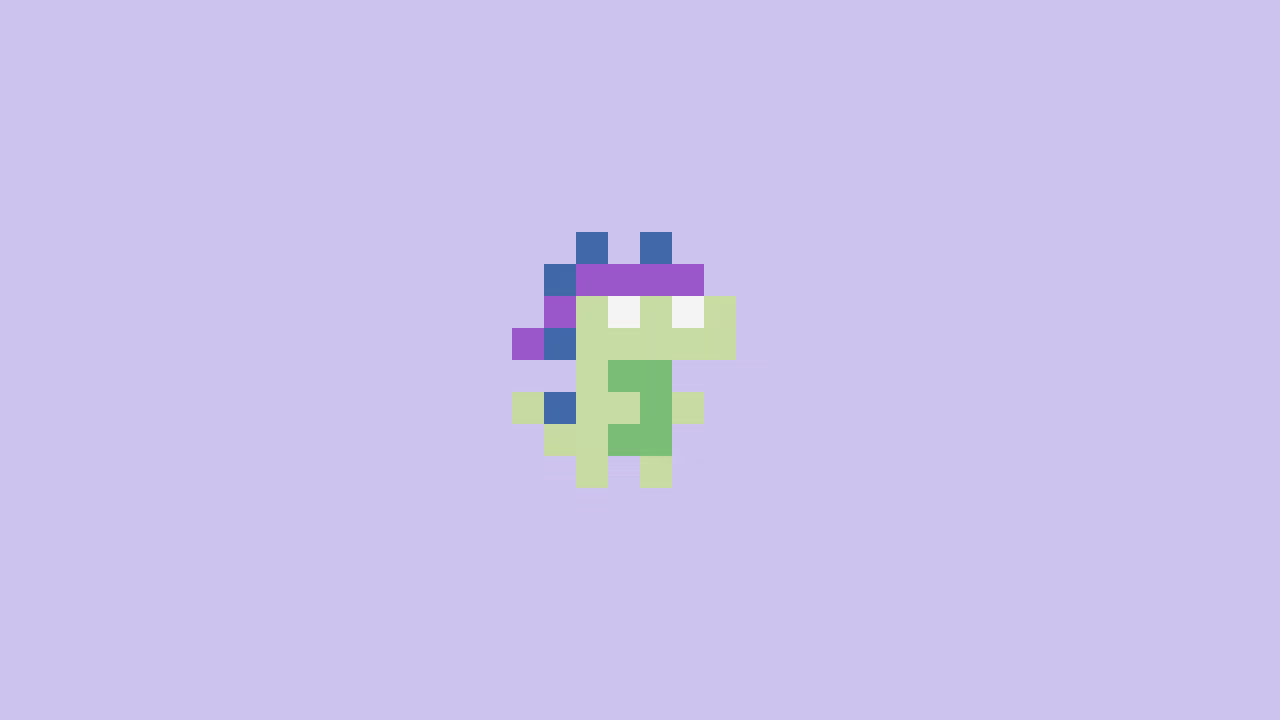

When we say a dino NFT is on-chain, we’re talking about all aspects of the artwork and data existing within the smart contract and blockchain state itself—not just a pointer to a JPG or IPFS hash. Fully on-chain NFTs typically use SVG or encoded pixel data that smart contracts can render without external references. This makes the art self-contained and immutable because its visual identity is inseparable from the contract logic itself.
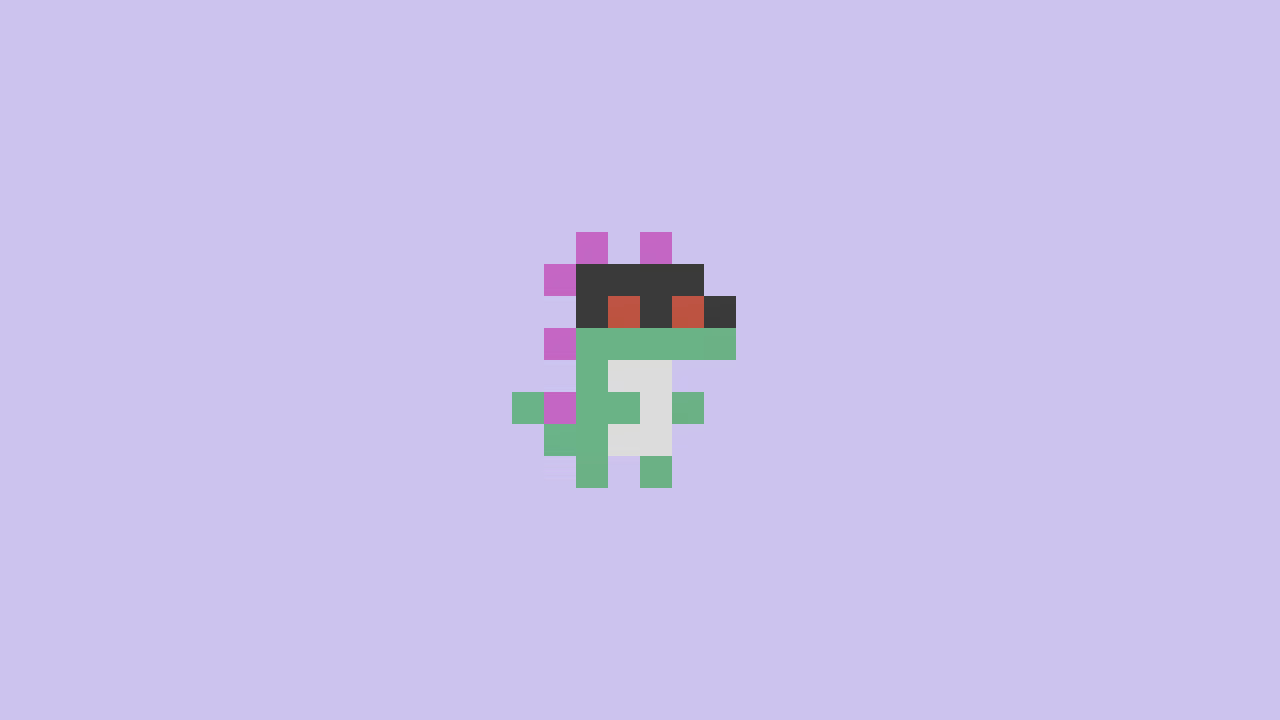


On Ink—the Ethereum-compatible Layer-2 blockchain built on the OP Stack—an on-chain dinosaur collection would follow this same philosophy: every trait, every pixel-or-SVG rendering, and every generative algorithm could be stored and executed directly on Ink’s ledger. Because Ink is fully EVM compatible and optimized for low fees and fast block times, artists and developers can deploy generative on-chain NFT contracts just like on Ethereum, but with lower cost and greater accessibility for users.

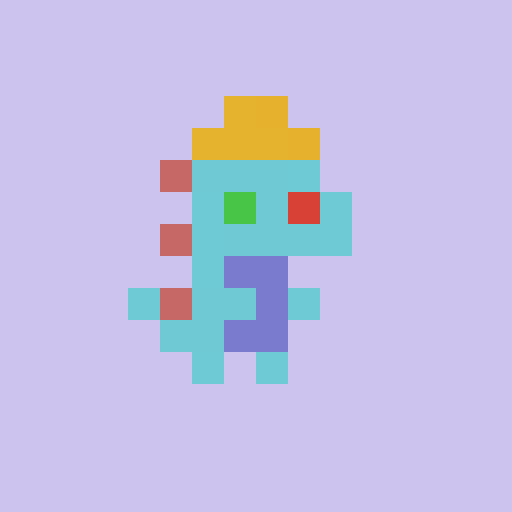



The idea behind on-chain dino projects originates from the Tiny Dinos NFT theme, which first appeared off-chain on other blockchains like Ethereum and Polygon as collectible tiny dinosaur characters with various traits (hats, colors, etc.). From that inspiration came fully on-chain interpretations—where every part of the NFT artwork, including its metadata and image data (often SVG-based), lives entirely on the blockchain itself rather than relying on off-chain storage. This style pushes the creative limits of on-chain storage and generative techniques, an approach seen in derivative collections like “OnChain Dinos” that store imagery and metadata directly on-chain.


When we say a dino NFT is on-chain, we’re talking about all aspects of the artwork and data existing within the smart contract and blockchain state itself—not just a pointer to a JPG or IPFS hash. Fully on-chain NFTs typically use SVG or encoded pixel data that smart contracts can render without external references. This makes the art self-contained and immutable because its visual identity is inseparable from the contract logic itself.


On Ink—the Ethereum-compatible Layer-2 blockchain built on the OP Stack—an on-chain dinosaur collection would follow this same philosophy: every trait, every pixel-or-SVG rendering, and every generative algorithm could be stored and executed directly on Ink’s ledger. Because Ink is fully EVM compatible and optimized for low fees and fast block times, artists and developers can deploy generative on-chain NFT contracts just like on Ethereum, but with lower cost and greater accessibility for users.


The idea behind on-chain dino projects originates from the Tiny Dinos NFT theme, which first appeared off-chain on other blockchains like Ethereum and Polygon as collectible tiny dinosaur characters with various traits (hats, colors, etc.). From that inspiration came fully on-chain interpretations—where every part of the NFT artwork, including its metadata and image data (often SVG-based), lives entirely on the blockchain itself rather than relying on off-chain storage. This style pushes the creative limits of on-chain storage and generative techniques, an approach seen in derivative collections like “OnChain Dinos” that store imagery and metadata directly on-chain.


When we say a dino NFT is on-chain, we’re talking about all aspects of the artwork and data existing within the smart contract and blockchain state itself—not just a pointer to a JPG or IPFS hash. Fully on-chain NFTs typically use SVG or encoded pixel data that smart contracts can render without external references. This makes the art self-contained and immutable because its visual identity is inseparable from the contract logic itself.


On Ink—the Ethereum-compatible Layer-2 blockchain built on the OP Stack—an on-chain dinosaur collection would follow this same philosophy: every trait, every pixel-or-SVG rendering, and every generative algorithm could be stored and executed directly on Ink’s ledger. Because Ink is fully EVM compatible and optimized for low fees and fast block times, artists and developers can deploy generative on-chain NFT contracts just like on Ethereum, but with lower cost and greater accessibility for users.

