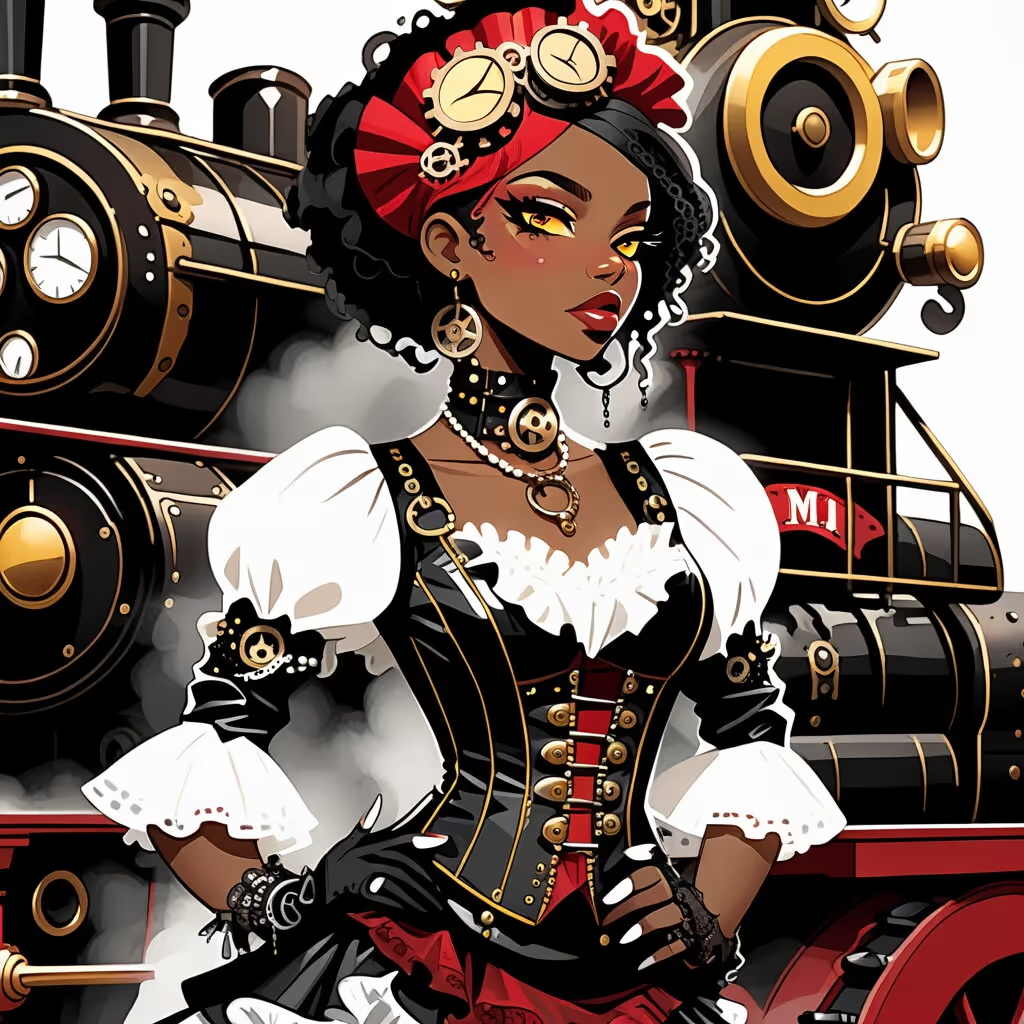
Steampunk is a cultural and aesthetic phenomenon that reimagines the 19th century, particularly the Victorian era, with advanced technologies powered by steam. This genre combines elements of science fiction, fantasy, and history, often featuring intricate clockwork mechanisms, steam-powered machines, and industrial-era aesthetics. Steampunk has inspired various forms of art, literature, fashion, and design, allowing creators to explore alternative histories and futuristic possibilities within a nostalgic, retro-futuristic framework. It celebrates creativity, innovation, and individuality, often with a sense of whimsy and rebellion.
Steampunk is a cultural and aesthetic phenomenon that reimagines the 19th century, particularly the Victorian era, with advanced technologies powered by steam. This genre combines elements of science fiction, fantasy, and history, often featuring intricate clockwork mechanisms, steam-powered machines, and industrial-era aesthetics. Steampunk has inspired various forms of art, literature, fashion, and design, allowing creators to explore alternative histories and futuristic possibilities within a nostalgic, retro-futuristic framework. It celebrates creativity, innovation, and individuality, often with a sense of whimsy and rebellion.

Steampunk is a cultural and aesthetic phenomenon that reimagines the 19th century, particularly the Victorian era, with advanced technologies powered by steam. This genre combines elements of science fiction, fantasy, and history, often featuring intricate clockwork mechanisms, steam-powered machines, and industrial-era aesthetics. Steampunk has inspired various forms of art, literature, fashion, and design, allowing creators to explore alternative histories and futuristic possibilities within a nostalgic, retro-futuristic framework. It celebrates creativity, innovation, and individuality, often with a sense of whimsy and rebellion.

Steampunk is a cultural and aesthetic phenomenon that reimagines the 19th century, particularly the Victorian era, with advanced technologies powered by steam. This genre combines elements of science fiction, fantasy, and history, often featuring intricate clockwork mechanisms, steam-powered machines, and industrial-era aesthetics. Steampunk has inspired various forms of art, literature, fashion, and design, allowing creators to explore alternative histories and futuristic possibilities within a nostalgic, retro-futuristic framework. It celebrates creativity, innovation, and individuality, often with a sense of whimsy and rebellion.

Steampunk is a cultural and aesthetic phenomenon that reimagines the 19th century, particularly the Victorian era, with advanced technologies powered by steam. This genre combines elements of science fiction, fantasy, and history, often featuring intricate clockwork mechanisms, steam-powered machines, and industrial-era aesthetics. Steampunk has inspired various forms of art, literature, fashion, and design, allowing creators to explore alternative histories and futuristic possibilities within a nostalgic, retro-futuristic framework. It celebrates creativity, innovation, and individuality, often with a sense of whimsy and rebellion.

Steampunk is a cultural and aesthetic phenomenon that reimagines the 19th century, particularly the Victorian era, with advanced technologies powered by steam. This genre combines elements of science fiction, fantasy, and history, often featuring intricate clockwork mechanisms, steam-powered machines, and industrial-era aesthetics. Steampunk has inspired various forms of art, literature, fashion, and design, allowing creators to explore alternative histories and futuristic possibilities within a nostalgic, retro-futuristic framework. It celebrates creativity, innovation, and individuality, often with a sense of whimsy and rebellion.
